How You Can Grind Frozen Meat Safely and Easily
You can grind frozen meat safely and easily by first cutting it into small chunks and freezing them flat for quick thawing. Thaw the meat in the fridge or in cold water, never at room temperature, to keep bacteria at bay. Use a sturdy grinder with sharp blades, grinding the meat while still slightly frozen for better texture. Clean and sanitize your equipment thoroughly afterward to avoid contamination. Keep following for tips on selecting cuts, storage, and cooking ground frozen meat.
Benefits of Grinding Frozen Meat for Time and Texture
Although grinding frozen meat might seem challenging at first, it actually saves you time and improves texture.
When you grind meat while it’s partly frozen, it’s firmer and easier to handle, so you can cut through it quickly without worrying about it turning mushy. This means you’ll spend less time prepping and more time cooking.
Plus, grinding frozen meat helps maintain a consistent texture. It prevents the fat from separating, resulting in a better blend of lean and fat throughout the grind. You’ll notice your dishes have a more uniform, tender bite.
Also, freezing meat before grinding locks in freshness, letting you prepare ahead without sacrificing quality.
Best Cuts of Meat for Freezing and Grinding
Picking the right cuts of meat for freezing and grinding can make a big difference in flavor and texture. You’ll want cuts with a good balance of lean meat and fat to guarantee juicy, flavorful results.
Chuck, brisket, and short rib are excellent choices because they’ve enough fat to keep the grind moist without being overly greasy. If you prefer leaner options, sirloin or round cuts work well but might need added fat for better texture.
Avoid extremely fatty cuts like pork belly or very lean cuts like tenderloin alone, as they can affect the grind’s consistency. Choosing cuts that are fresh and properly trimmed before freezing will help you achieve the best taste and texture when grinding frozen meat later on.
How to Portion and Freeze Meat for Grinding Later
Properly portioning and freezing your meat guarantees a smooth grinding process and maintains quality.
Begin by cutting the meat into manageable chunks, ideally around 1 to 2 inches thick. This size allows the pieces to freeze evenly and fit easily into your grinder later.
Next, wrap each portion tightly in plastic wrap or use vacuum-sealed bags to prevent freezer burn and moisture loss. Label the packages with the date and type of meat for easy identification.
Place the wrapped portions flat in the freezer so they freeze quickly and uniformly. When frozen solid, you can stack or store them as needed.
Keeping the pieces individually portioned assures you only thaw what you need, preserving freshness and making grinding more efficient.
Choosing the Right Equipment for Grinding Frozen Meat
Once your meat is portioned and frozen correctly, the next step is to select equipment that can handle grinding frozen meat efficiently.
You’ll want a heavy-duty meat grinder or a powerful food processor designed for tough tasks. Manual grinders might struggle or even get damaged, so electric models with strong motors are your best bet.
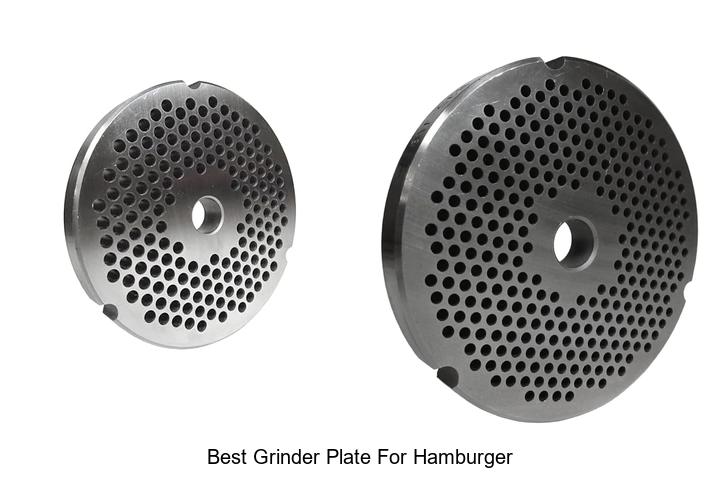
Look for grinders with stainless steel blades and plates—they stay sharp longer and resist rust, ensuring clean cuts through frozen chunks.
Additionally, choose a grinder with multiple plate sizes to control grind consistency. Avoid cheap or underpowered machines; they’ll overheat or jam.
Investing in the right equipment saves time and prevents frustration, giving you smooth, safe grinding results every time you tackle frozen meat.
Getting Your Meat Grinder Ready for Frozen Meat
Before you start grinding, make certain your meat grinder is completely clean and dry to prevent any contamination or ice buildup.
Check that all parts, especially the blade and plate, are sharp and properly assembled to handle the hardness of frozen meat.
You’ll want to slightly chill the grinder components in the freezer for 15-20 minutes; this helps reduce friction and keeps the meat cold during grinding.
Here’s how to get your grinder ready:
- Clean and dry all parts thoroughly to avoid slipping or clogs.
- Sharpen the blade and inspect the grinding plate for damage.
- Pre-cool the grinder parts in the freezer before use.
Preparing your grinder properly guarantees smooth operation and safer grinding of frozen meat.
How to Safely Thaw Meat Before Grinding
Having your grinder ready helps guarantee a smooth process, but handling frozen meat safely starts with how you thaw it. The best method is to plan ahead and thaw meat in the refrigerator. This keeps the meat at a safe temperature, preventing bacterial growth.
Place the frozen meat on a plate or tray to catch any drips. Depending on the size, thawing can take 12 to 24 hours.
If you’re short on time, use the cold water method: seal the meat in a leak-proof bag and submerge it in cold water, changing the water every 30 minutes until thawed.
Avoid thawing meat at room temperature, as this promotes bacteria growth. Proper thawing guarantees your meat stays safe and ready for grinding.
Can You Grind Frozen Meat Without Thawing?
Although grinding frozen meat without thawing might seem convenient, it’s important to understand the challenges involved. Doing so can strain your grinder, cause uneven texture, and even risk damage to your equipment.
You’ll need to use a heavy-duty grinder designed to handle hard meat, and even then, the process might be slower than grinding thawed meat. Additionally, frozen meat can produce a coarse grind that’s less ideal for certain recipes.
Keep these points in mind if you decide to grind frozen meat directly:
- Your grinder should be powerful and robust enough to handle frozen chunks.
- Cutting the meat into small, manageable pieces helps avoid jams.
- Expect a rougher texture compared to grinding thawed meat.
Grinding frozen meat is possible but requires caution and the right tools.
Step-by-Step Guide to Grinding Frozen Meat at Home
Grinding frozen meat at home can be straightforward when you follow the right steps and use proper techniques.
First, cut the frozen meat into small, manageable chunks about 1-2 inches thick. This helps your grinder handle the meat without jamming.
Next, partially thaw the pieces just enough to soften the exterior; this prevents your grinder from overheating.
Then, set up your meat grinder or food processor with a sharp blade and clean it thoroughly.
Feed the meat chunks steadily into the grinder, avoiding overloading. If you notice resistance, pause to clear any blockages.
Once ground, immediately transfer the meat to a cold surface or container to maintain freshness.
Finally, clean your equipment thoroughly to prevent bacterial growth.
Following these steps guarantees safe, efficient grinding at home.
How to Keep Frozen Meat Cold During Grinding
To keep your frozen meat cold during grinding, you’ll need to work quickly and efficiently. This helps maintain the meat’s texture and prevents bacterial growth.
Before you start, chill your grinder parts in the freezer for at least 30 minutes. Cold equipment slows warming and keeps the meat firm. Also, grind small batches at a time to minimize thawing.
Here are key tips to keep your meat cold:
- Pre-chill all equipment like the grinder, trays, and bowls.
- Work in a cool environment to reduce the meat’s exposure to heat.
- Return any unused meat to the freezer immediately to keep it at a safe temperature.
How to Avoid Meat Grinder Jams When Grinding Frozen Meat
If you want to keep your grinder running smoothly, you need to take steps to prevent jams when working with frozen meat. Start by cutting the meat into smaller, uniform pieces before grinding. This helps the grinder handle it evenly and reduces the chance of clogs.
Avoid forcing large chunks through; instead, feed the meat slowly and steadily. Make sure the blade and grinding plates are sharp—dull parts increase resistance and cause jams.
Keep the grinder cold by chilling the components beforehand; warm parts can cause the meat to soften and stick. Finally, clean the grinder thoroughly between batches to remove any buildup that might obstruct the mechanism.
Following these tips will help you grind frozen meat efficiently without frustrating jams.
How to Prevent Cross-Contamination When Handling Frozen Meat
While handling frozen meat, you need to be extra careful to prevent cross-contamination, which can lead to foodborne illnesses.
Always keep raw frozen meat separate from other foods, especially ready-to-eat items. Use different cutting boards and utensils for meat and other ingredients to avoid transferring harmful bacteria. Additionally, wash your hands thoroughly with soap and warm water before and after touching frozen meat.
To prevent cross-contamination, remember to:
- Store frozen meat on the lowest shelf of the fridge to stop juices from dripping onto other foods
- Use designated containers or sealed bags for thawing frozen meat
- Clean any surfaces or tools that come into contact with frozen meat immediately after use
Following these steps keeps your kitchen safe and your meals healthy.
How to Clean and Sanitize Your Meat Grinder After Use
A clean meat grinder guarantees both safety and ideal performance for your next use.
Right after grinding, unplug the machine and disassemble all removable parts. Rinse these parts under warm water to remove meat residue. Use a soft brush and mild dish soap to scrub blades, plates, and the hopper carefully. Avoid harsh abrasives that could damage components.
Rinse thoroughly to remove soap traces and dry everything completely with a clean towel to prevent rust. Wipe the main body with a damp cloth—never submerge it in water.
For added safety, sanitize parts by soaking them briefly in a solution of one tablespoon bleach per gallon of water. Let them air dry fully before reassembling.
Regular cleaning keeps your grinder hygienic and working smoothly every time.
How to Store Ground Frozen Meat Safely After Grinding
Once you’ve ground your frozen meat, storing it properly is crucial to maintain freshness and prevent spoilage. To keep your ground meat safe, promptly refrigerate or freeze it in airtight containers or heavy-duty freezer bags. Label the packages with the date to track freshness. When freezing, divide the meat into portions to thaw only what you need later.
Here are key tips for safe storage:
- Refrigerate ground meat if using within 1-2 days; keep it below 40°F (4°C).
- Freeze for longer storage; ground meat lasts up to 3-4 months in the freezer.
- Avoid refreezing thawed ground meat to prevent bacterial growth and texture loss.
Following these steps guarantees your ground frozen meat stays safe and delicious until use.
Cooking Tips and Recipes for Ground Frozen Meat
Proper storage sets the stage for cooking ground frozen meat safely and deliciously.
When you’re ready to cook, thaw the meat in the refrigerator overnight for even cooking. Avoid microwaving to thaw, as it can cause uneven temperature spots.
Use a meat thermometer to verify the internal temperature reaches at least 160°F (71°C) for beef or pork, killing harmful bacteria.
You can use ground frozen meat in various recipes—try making classic burgers, chili, or spaghetti sauce. For quick meals, sauté with onions and spices, then add to tacos or casseroles.
Remember to cook it thoroughly and avoid refreezing thawed meat to maintain safety and taste.
With these tips, you’ll enjoy flavorful meals from your ground frozen meat every time.
Frequently Asked Questions
Can Grinding Frozen Meat Affect Its Nutritional Value?
Grinding frozen meat won’t greatly affect its nutritional value. You’ll retain most nutrients since freezing preserves them well. Just make sure you handle and grind it safely to avoid contamination and maintain the meat’s quality and taste.
What Are the Environmental Benefits of Grinding Frozen Meat at Home?
You can reduce food waste by up to 30% when grinding frozen meat at home. By controlling portions and minimizing packaging waste, you cut down your carbon footprint and help conserve resources with every meal you prepare.
How Long Does Frozen Meat Last in the Freezer Before Quality Declines?
You can keep frozen meat for 4 to 12 months before quality starts to decline. Beyond that, texture and flavor may worsen, though it’ll remain safe if stored properly at 0°F (-18°C) or below.
Are There Specific Grinders Better Suited for Home Use Versus Commercial Use?
Just like a trusty Swiss Army knife suits campers, home grinders are compact and user-friendly, while commercial grinders are powerful and built for heavy use. You’ll want a model matching your kitchen’s scale and your meat grinding needs.
Can You Grind Frozen Meat From Wild Game Safely?
Yes, you can grind frozen wild game safely if you thaw it slightly to avoid damaging your grinder and guarantee even grinding. Always keep everything clean and cold to prevent bacterial growth and maintain quality.
Conclusion
Grinding frozen meat is like revealing a treasure chest of flavors and convenience. By choosing the right cuts, prepping carefully, and keeping everything clean, you turn simple frozen blocks into a canvas for delicious meals. With each grind, you’re not just preparing food—you’re crafting possibilities, saving time, and enhancing texture. So, embrace the process, and let your kitchen become a forge where frozen meat transforms into culinary gold.