10 Easy Steps to Cook Bratwurst on the Grill
Choose fresh bratwurst with natural casings, then preheat your grill to medium heat (350-375°F). Don’t prick the sausages, as that lets juices escape. Start grilling over direct heat, turning often with tongs for even cooking. Move them to indirect heat if they brown too fast. Cook until the internal temperature hits 160°F. Let them rest a few minutes, then serve with buns and toppings. Follow these steps, and you’ll master juicy, flavorful bratwurst every time with ease.
Choose the Best Bratwurst for Grilling
How do you know which bratwurst will grill up best? Start by choosing fresh bratwurst made from high-quality meat—pork, veal, or a blend.
Check the packaging date to guarantee freshness; fresher means better flavor and juiciness. Look for bratwursts with natural casings; they crisp nicely on the grill and hold juices well.
Avoid pre-cooked or overly processed options—they won’t develop that authentic grilled texture. If you prefer a specific flavor, consider varieties with added herbs or spices, but keep it simple to let the meat shine.
Finally, pick bratwursts that are uniform in size for even cooking. By selecting the right bratwurst, you’re setting yourself up for a delicious grilling experience every time.
Preheat Grill to Medium Heat for Bratwurst
Once you’ve selected the perfect bratwurst, getting your grill ready is the next step. Preheating your grill to medium heat guarantees your bratwurst cooks evenly without burning the outside.
Follow these simple steps:
- Clean your grill grates thoroughly to prevent sticking.
- Ignite your grill and adjust the temperature to medium, around 350°F to 375°F (175°C to 190°C).
- Let the grill preheat for about 10-15 minutes until it reaches the desired temperature.
This controlled heat allows the bratwurst to cook through while developing a nice, golden-brown exterior.
Avoid rushing this step, as starting on too high heat can lead to uneven cooking. Once heated, you’re ready to place your bratwurst on the grill for that perfect bite.
Should You Prick Your Bratwurst Before Grilling?
Wondering whether you should prick your bratwurst before grilling? It’s a common question. You might think pricking helps release fat and prevents bursting, but it’s best to avoid piercing the casing.
The casing holds in the juices, ensuring your brat stays moist and flavorful. If you prick it, those juices escape, and the brat can dry out.
Instead, focus on controlling the grill temperature to avoid flare-ups that cause bursting. Let the bratwurst cook slowly over medium heat, allowing the inside to cook thoroughly without splitting the skin.
Start Grilling Bratwurst Over Direct Heat
Although it’s important to avoid high heat that can burst your bratwurst, starting your grilling over direct heat lets you develop a flavorful, crispy exterior.
Here’s how to do it right:
- Preheat your grill to medium heat, around 350°F (175°C), so it’s hot enough to sear without burning the sausages.
- Place the bratwursts directly on the grill grates over the heat source, ensuring they make good contact with the surface.
- Grill them for about 2-3 minutes per side, watching closely to avoid charring or splitting the casing.
Turn Grilled Bratwurst Often for Even Cooking
To guarantee your bratwursts cook evenly and develop a consistent texture, you should turn them frequently while grilling.
Rotate the sausages every few minutes to prevent any side from burning or drying out. This regular turning helps the heat distribute evenly, ensuring the bratwurst cooks through without charring the outside.
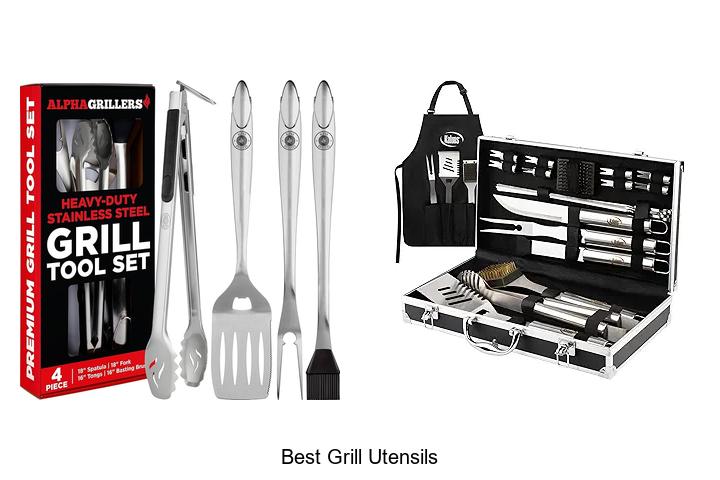
Use tongs to gently flip each bratwurst instead of piercing them, which keeps the juices locked inside. Keep an eye on the grill to adjust timing as needed, especially if your grill has hot spots.
Check Bratwurst Doneness With a Meat Thermometer
When grilling bratwurst, you can’t rely solely on appearance to know when they’re done.
Using a meat thermometer guarantees your sausages are perfectly cooked and safe to eat. Here’s how to check doneness:
- Insert the thermometer into the thickest part of the bratwurst, avoiding the casing.
- Look for an internal temperature of 160°F (71°C), which indicates the bratwurst is fully cooked.
- If the temperature is below 160°F, continue grilling and check again after a few minutes.
Finish Bratwurst on Indirect Heat to Prevent Burning
Since bratwurst cooks quickly over direct heat, you’ll want to move them to indirect heat toward the end to avoid burning the outside while the inside finishes cooking.
After searing both sides, shift the sausages to a cooler part of the grill where the flames aren’t directly beneath them. This gentler heat lets the bratwurst cook through evenly without charring the casing.
Keep the grill covered to maintain consistent temperature and check regularly to prevent overcooking. Use this time to monitor the internal temperature, aiming for about 160°F.
Moving bratwurst to indirect heat also helps retain their juicy texture while ensuring they’re safe to eat. This step guarantees a perfectly cooked bratwurst with a browned exterior and tender interior every time.
Let Grilled Bratwurst Rest Before Serving
Although the bratwurst looks ready straight off the grill, you should let it rest for a few minutes before serving. This step allows the juices to redistribute, making each bite juicy and flavorful rather than dry.
Here’s why resting matters and how to do it right:
- Retains Juices: Resting prevents the juices from spilling out when you cut into the bratwurst, keeping it moist.
- Even Cooking: The heat continues to distribute internally, ensuring the bratwurst is cooked evenly throughout.
- Better Texture: Allowing the meat to settle improves the texture, giving you that perfect bite.
Simply remove the bratwurst from the grill, place it on a clean plate, and let it rest loosely covered with foil for about 5 minutes before serving.
Serve Bratwurst With Classic Toppings and Buns
A perfect bratwurst deserves the right toppings and buns to bring out its full flavor. Start by choosing fresh, soft buns like bratwurst buns or classic hoagie rolls—they’ll hold up well to juicy sausages.
Then, add traditional toppings such as sautéed onions, tangy sauerkraut, and a dollop of spicy mustard. You can also include pickles or relish for extra zest. If you prefer, fresh chopped onions and a drizzle of ketchup work great too.
Don’t overload your brat; the goal is to complement, not overpower, its smoky taste.
Finally, assemble your bratwurst carefully, ensuring each bite delivers a perfect balance of juicy sausage, flavorful toppings, and soft bread. Serve immediately to enjoy the bratwurst at its best.
Clean Your Grill After Grilling Bratwurst
After you’ve enjoyed your bratwurst feast, don’t forget to clean your grill promptly to keep it in top condition.
Cleaning prevents buildup, avoids flare-ups, and guarantees your next grilling session is just as enjoyable.
Here’s how to clean your grill effectively:
- Scrape the Grates: While the grill is still warm, use a sturdy grill brush to scrape off any leftover food particles and grease.
- Wipe Down Surfaces: Once cooled, wipe the grates and surrounding areas with a damp cloth or sponge to remove residue.
- Empty Drip Pan: Don’t forget to empty and clean the drip pan to prevent grease fires and odors.
Frequently Asked Questions
Can I Cook Bratwurst Indoors Instead of on a Grill?
Yes, you can cook bratwurst indoors using a skillet or oven. Just make sure to cook them evenly over medium heat or at 350°F until they reach an internal temperature of 160°F for safety and juiciness.
What Drinks Pair Best With Grilled Bratwurst?
You’ll love pairing grilled bratwurst with a cold beer, especially a lager or pilsner. If you prefer non-alcoholic drinks, try sparkling apple cider or a crisp lemonade to balance the savory flavors perfectly.
How Long Can Cooked Bratwurst Be Stored in the Fridge?
You can store cooked bratwurst in the fridge for 3 to 4 days. Make sure to keep it in an airtight container to maintain freshness and prevent any unwanted odors from affecting the flavor.
Are There Vegetarian Alternatives to Traditional Bratwurst?
Yes, you can find vegetarian bratwurst alternatives made from ingredients like soy, seitan, or vegetables. They offer similar flavors and textures, so you can enjoy grilling without meat while still savoring that classic bratwurst taste.
What Side Dishes Complement Grilled Bratwurst?
You’ll love pairing grilled bratwurst with sauerkraut, potato salad, or grilled veggies. Don’t forget some mustard and fresh buns. A crisp green salad or baked beans also complement the smoky flavor perfectly for a hearty meal.
Conclusion
Now that you’ve mastered these easy steps, grilling bratwurst will be a breeze—like riding a bike, but tastier! Just remember to choose quality sausages, keep an eye on the heat, and turn them often for that perfect golden brown. Let them rest a bit before serving, and pile on your favorite toppings. With practice, your grill will become your best kitchen companion, making every bratwurst cookout a sizzling success!