How Long to Cook Brats on Grill Step by Step
Start by letting your brats sit at room temperature for 15 minutes and pat them dry. Preheat your grill to medium heat, about 350°F to 375°F. Grill the brats for 15 to 20 minutes, turning them every 5 minutes to guarantee even browning. Make sure the internal temperature hits 160°F for safe eating. Use indirect heat if you want juicier brats, and check sizes to adjust cook time. Keep going to discover tips that’ll elevate your brat grilling game.
How to Prepare Brats Before Grilling
Before you fire up the grill, you’ll want to prepare your brats properly to guarantee they cook evenly and taste great.
Start by taking them out of the fridge and letting them sit at room temperature for about 15 minutes. This helps them cook more evenly.
Next, pat the brats dry with paper towels to remove excess moisture, which prevents flare-ups on the grill.
If you like, you can prick the casing gently with a fork to release some fat during cooking, but don’t overdo it or they’ll dry out.
Finally, season the brats lightly with your favorite spices or brush them with a little oil to keep them from sticking.
Now, your brats are ready for the grill.
Boiling vs. Simmering Brats Before Grilling
Once your brats are prepped and ready, you might wonder whether to boil or simmer them before placing them on the grill.
Boiling brats involves cooking them in rapidly bubbling water, which can cause the casings to split, leading to loss of juices and flavor.
Simmering, on the other hand, means cooking them gently in water just below boiling point, around 180-190°F. This method helps the brats cook evenly without bursting their casings, preserving moisture and taste.
Simmering also allows flavors from any added liquids, like beer or broth, to infuse the brats.
So, if you want juicy, flavorful brats without the risk of splitting, simmering is the better choice before grilling.
Avoid boiling to keep your brats intact and delicious.
Picking the Best Grill Temperature for Your Brats
Choosing the right grill temperature plays an essential role in cooking brats perfectly. You want a temperature that allows the brats to cook evenly without burning the casing. Aim for medium heat, around 350°F to 375°F, which gives you control and helps the brats cook through while developing a nice char.
Avoid grilling on high heat since it can cause the outside to char quickly while leaving the inside undercooked. On the other hand, too low a temperature may dry out the brats or make them cook too slowly.
Preheat your grill thoroughly to maintain a steady temperature. Use a thermometer to monitor the heat, ensuring you keep it consistent for the best results every time.
How Long to Cook Brats on Medium Heat
Cooking brats on medium heat typically takes about 15 to 20 minutes. You want to cook them evenly without burning the outside or leaving the inside undercooked.
Keep your grill at a steady medium temperature around 350°F (175°C). Turn the brats every 5 minutes to guarantee all sides brown nicely and cook through.
Remember these key points when grilling brats on medium heat:
- Use tongs to turn brats gently, preventing casing from splitting.
- Check internal temperature; it should reach 160°F (71°C) for safe consumption.
- Avoid pressing down on brats, which squeezes out juices and dries them out.
Why Use Indirect Heat on the Grill
Although direct heat cooks brats quickly, using indirect heat gives you more control and prevents burning.
When you grill brats over indirect heat, the sausages cook evenly without the risk of charring the outside while leaving the inside undercooked. This method lets the fat render slowly, enhancing flavor and juiciness.
You’ll avoid flare-ups caused by dripping fat hitting hot coals, which can scorch the brats. Indirect heat also allows you to maintain a steady temperature, making it easier to manage cooking times.
How to Tell When Brats Are Fully Cooked
How can you tell when your brats are fully cooked and safe to eat? First, look for a firm texture—raw brats feel soft and squishy, but cooked ones spring back when pressed.
Next, check the color; the inside should be no longer pink but a consistent white or light brown. Finally, juices running clear is a good sign your brats are done.
Here are three quick tips to confirm doneness:
- Use a meat thermometer if you’re unsure; brats are done at 160°F (71°C).
- Avoid overcooking to keep them juicy and flavorful.
- Let the brats rest for a few minutes after grilling to allow juices to redistribute.
These cues will help you serve perfectly cooked brats every time.
Why Internal Temperature Matters for Perfect Brats
Since brats contain ground meat, keeping an eye on their internal temperature is essential to guarantee they’re safe to eat and juicy.
Cooking brats to the right temperature—usually 160°F (71°C)—kills harmful bacteria like Salmonella and E. coli. If you undercook them, you risk foodborne illness.
Overcooking, however, dries out the meat and toughens the casing, ruining the brat’s texture and flavor.
Using a meat thermometer lets you monitor the temperature precisely, so you don’t have to guess. Insert it into the center of the brat to get an accurate reading.
Once the internal temperature reaches 160°F, remove the brats from the grill and let them rest briefly to allow juices to redistribute.
This way, you’ll enjoy perfectly cooked, safe, and juicy brats every time.
How to Avoid Splitting Brat Sausages on the Grill
If you want your brat sausages to stay intact on the grill, controlling the heat and handling them carefully is key. High heat causes the casing to expand too quickly, leading to splits.
Instead, grill your brats over medium or indirect heat, allowing them to cook evenly. Also, avoid piercing the sausages with forks or sharp tools, as this releases juices and weakens the casing.
To prevent splitting, remember to:
- Preheat the grill properly and maintain moderate temperature
- Use tongs instead of forks to turn the brats gently
- Let the brats rest a few minutes after cooking for juices to redistribute
How to Grill Brats for a Crispy Skin Without Drying Them Out
Keeping your brats intact on the grill sets the stage for achieving that perfect crispy skin without drying them out.
Start by grilling your brats over medium heat to cook them evenly inside. Turn them frequently to prevent burning and promote uniform crispiness. Avoid high heat initially; it can cause the casing to burst and the meat to dry out.
Once the brats are cooked through, increase the heat briefly to crisp the skin, but watch carefully to avoid charring. Using indirect heat for most of the cooking preserves juiciness, while a short direct heat finish gives you that desirable snap.
How Long to Rest Brats After Grilling
After grilling your brats to perfection, letting them rest for a few minutes allows the juices to redistribute, ensuring every bite stays juicy and flavorful.
Resting brats for about 5 minutes is ideal; this short pause lets internal moisture settle instead of spilling out when you cut or bite into them. During this time, the temperature evens out, making the bratwurst more tender and enjoyable.
Keep these tips in mind while resting your brats:
- Cover loosely with foil to retain warmth without steaming the skin
- Avoid cutting immediately to prevent juice loss
- Use this time to prepare buns or toppings
Following these steps guarantees your grilled brats are as delicious as possible when served.
Flavor Tips: How to Enhance Brats While Grilling
Letting your brats rest sets the stage for maximizing their flavor during grilling.
To enhance taste while cooking, start by marinating your brats in beer or a mixture of herbs and spices for at least 30 minutes. This adds depth and juiciness.
Next, grill them over medium heat to avoid burning the casing while allowing flavors to develop. Adding sliced onions and peppers directly on the grill alongside your brats infuses smoky sweetness.
You can also baste your brats occasionally with a mustard or beer glaze to keep them moist and flavorful.
Finally, use quality buns and fresh toppings like sauerkraut or spicy mustard to complement and elevate the overall flavor experience.
Following these tips will take your grilled brats to the next level.
Common Grilling Mistakes That Dry Out or Overcook Brats
If you rush the grilling process or use too high heat, you’ll likely end up with dry, overcooked brats. To avoid this, you need to control the temperature and timing carefully.
Common mistakes include:
- Grilling directly over high flames, which chars the outside before the inside cooks.
- Skipping the pre-cook step, like simmering brats in beer or water to keep them moist.
- Constantly flipping the brats, which prevents even cooking and causes moisture loss.
How to Adjust Cooking Time for Different Brat Sizes
Because brat sizes vary, you’ll need to adjust your cooking time to guarantee they cook evenly without drying out.
Smaller brats, around 3 to 4 inches long, usually take about 10 to 12 minutes on medium heat. Larger brats, closer to 5 or 6 inches, require 14 to 16 minutes. Thick brats need a bit more time to cook through, so keep the heat moderate to avoid burning the outside before the inside is done.
Use indirect heat for bigger brats to assure even cooking. Always check the internal temperature—160°F is safe for pork brats.
If you’re grilling mixed sizes, place smaller brats on the hotter part of the grill and bigger ones where the heat is gentler. This way, all your brats come out perfectly cooked.
Best Side Dishes to Serve With Grilled Brats
When you fire up the grill for brats, choosing the right side dishes can elevate your meal and satisfy every appetite.
You want sides that complement the smoky, savory flavor of grilled brats while adding texture and vitality. Classic options like grilled veggies, tangy sauerkraut, or creamy potato salad balance the richness perfectly.
Here are three must-try sides:
- Grilled peppers and onions: Their sweetness pairs well with the smoky brats.
- German-style potato salad: Offers a warm, tangy contrast that’s hearty and satisfying.
- Coleslaw: Adds crunch and a revitalizing bite to lighten the meal.
Picking these sides guarantees your grilled brat feast is complete, flavorful, and enjoyable for everyone around your table.
Frequently Asked Questions
Can I Freeze Cooked Brats for Later Use?
Yes, you can freeze cooked brats for later use. Just let them cool completely, wrap them tightly in foil or plastic wrap, and store in an airtight container or freezer bag to keep them fresh and tasty.
What Type of Wood Chips Add the Best Flavor to Grilled Brats?
You’ll think your taste buds are throwing a party when you use hickory or apple wood chips—they add smoky sweetness that’s out of this world. Cherry wood also works great for a mild, fruity flavor you’ll love.
Are Brats Safe to Eat Without Cooking if Pre-Cooked?
If your brats are pre-cooked, you can eat them safely without cooking, but it’s best to heat them thoroughly for flavor and texture. Always check the packaging to confirm they’re fully cooked before skipping grilling.
How Do I Clean My Grill After Cooking Brats?
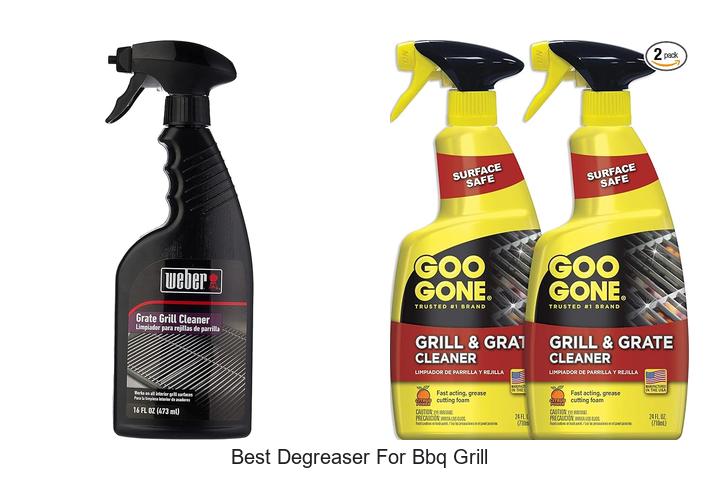
Ready to banish that charred mess? You’ll want to brush the grill grates while still warm, then wipe with a damp cloth. For stubborn bits, heat the grill again and scrub with a wire brush—it’s your grill’s best friend!
Can I Cook Brats on an Electric Grill or Indoors?
Yes, you can cook brats on an electric grill or indoors. Just preheat the grill, cook them over medium heat, and turn occasionally until they’re evenly browned and reach an internal temperature of 160°F.
Conclusion
So, you’ve mastered the art of brat grilling—basically a science disguised as a backyard BBQ. Remember, treating your brats like delicate divas means no rushing; they prefer a slow, sizzling spa day on medium heat. Skip the grill tantrums, avoid drying them out, and you’ll have juicy, flavorful winners. Now, fire up that grill, channel your inner brat whisperer, and prepare for applause—or at least a few envious glances from your neighbors.