How You Can Safely Cook on a Rusty Grill
You can safely cook on a rusty grill by first scrubbing off loose rust with a wire brush and cleaning the grates thoroughly. Then, season the grates with a thin layer of cooking oil and heat the grill to create a protective coating that kills bacteria. Avoid cooking if rust is deep or flaking, as that might compromise metal strength. Taking these steps helps keep your food safe while using your grill. Keep going to uncover more tips on safe grilling and rust prevention.
Why Grill Rust Forms and What It Means for Food Safety
Rust forms on your grill when moisture and oxygen react with the metal surface, creating iron oxide. This process is natural, especially if you leave your grill exposed to rain, humidity, or don’t dry it properly after cleaning.
While rust itself isn’t toxic, it does indicate that the protective metal layer has deteriorated. That means your grill’s surface can become uneven and weaken over time.
When you cook on rusty grates, small flakes might end up in your food, which isn’t ideal. Rust can also harbor bacteria if left unchecked.
Understanding why rust forms helps you realize it’s not just a cosmetic issue; it signals the need for maintenance. Taking care of rust early keeps your grill safer and extends its lifespan.
Can You Cook Safely on a Rusty Grill?
How safe is it to cook on a grill that shows signs of corrosion? You might worry about rust affecting your food, but small amounts usually aren’t harmful if you handle it right.
Rust itself isn’t toxic, but it can cause rough spots that trap bacteria or food particles.
To cook safely on a rusty grill, follow these steps:
- Clean Thoroughly: Scrub off loose rust with a wire brush before cooking.
- Season the Grill: Apply a thin layer of cooking oil and heat the grill to create a protective coating.
- Cook at Proper Temperatures: High heat helps kill bacteria and guarantees even cooking.
How to Spot Unsafe Rust on Your Grill
While small amounts of corrosion can be managed with proper cleaning and seasoning, some rust poses real risks to your health and the quality of your food.
You need to inspect your grill carefully before cooking. Look for deep, flaky rust that flakes off easily—this indicates the metal underneath is compromised.
Also, check uneven surfaces or pitted spots where rust has eaten into the metal; these areas can harbor bacteria and cause uneven heating.
If you notice rust spreading beyond small patches or discoloring your food during cooking, that’s a red flag.
Surface rust that wipes away with a stiff brush is usually safe to handle, but anything more severe means you should stop using that part until you properly treat it or replace it.
Deciding When to Replace Grill Parts vs. Cleaning
If you notice rust that’s more than just surface-level, you’ll need to decide whether cleaning will suffice or if replacing parts is the safer bet. Here’s how to make that call:
- Assess the Damage: If the rust causes pitting or holes, replacement is necessary. Surface rust can usually be scrubbed away.
- Check Structural Integrity: Wobbly grates or warped burners mean it’s time to replace those components to guarantee safe cooking.
- Evaluate Cost vs. Benefit: Sometimes, replacing parts is more cost-effective than extensive cleaning, especially if rust recurs quickly.
Tools You Need to Clean a Rusty Grill
Three essential tools will make cleaning your rusty grill much easier and more effective.
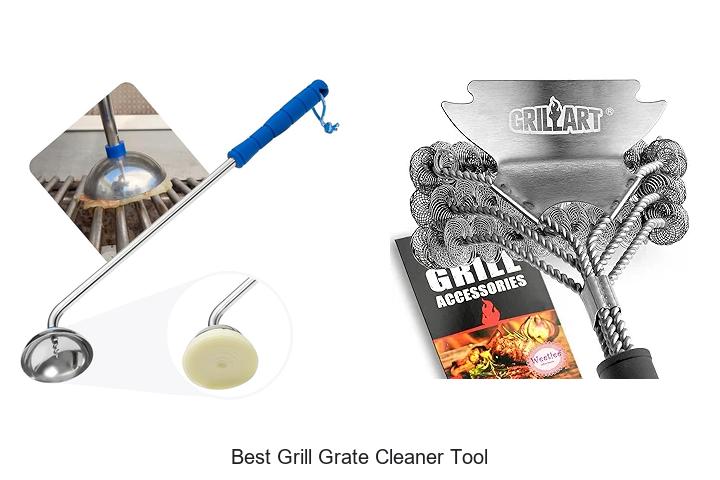
First, a sturdy wire brush is a must-have; it scrapes off rust and debris without damaging the metal underneath. Choose one with a comfortable grip to avoid hand fatigue.
Second, a putty knife or scraper helps remove stubborn rust patches and old grease buildup in tight spots.
Finally, a bucket filled with warm, soapy water and a sponge or rag lets you wash away loosened rust and grime after scrubbing. Avoid harsh abrasives that could scratch the grill’s surface.
Having these tools ready guarantees you can tackle rust efficiently and prepare your grill for safe cooking. Keep them clean and handy for regular maintenance.
Removing Rust From Grill Grates Step-By-Step
With your wire brush, scraper, and soapy water ready, you can start tackling the rust on your grill grates. Here’s a simple step-by-step approach:
- Scrape Off Loose Rust: Use the scraper to remove big rust flakes. Focus on all surfaces to clear off as much rust as possible.
- Scrub With Wire Brush: Dip the brush in soapy water and scrub the grates vigorously. This helps break down stubborn rust and cleans dirt and grease.
- Rinse and Dry: Rinse the grates thoroughly with clean water to remove residue. Dry them completely to prevent new rust from forming.
Following these steps will leave your grill grates much cleaner and ready for safe cooking.
How to Deep Clean a Rusty Grill After Removing Rust
Once you’ve removed the rust from your grill grates, you should deep clean the entire grill to confirm it’s safe and ready for cooking.
Start by disassembling removable parts like grates, drip pans, and burners. Scrub these parts with warm, soapy water using a stiff brush to remove grease and residue.
For the grill’s interior, scrape off any charred debris with a grill scraper or putty knife. Wipe down surfaces with a cloth soaked in a vinegar-water solution to disinfect and further break down grime.
Rinse thoroughly to avoid chemical residue. Allow all parts to dry completely before reassembling.
This thorough cleaning confirms no contaminants remain, providing a clean cooking environment and helping your grill perform effectively.
How to Season a Rusty Grill to Prevent Rust Return
Although you’ve cleaned your grill thoroughly, seasoning it properly is crucial to prevent rust from coming back. Here’s how you can do it effectively:
- Heat the grill: Turn on your grill to a medium-high heat for about 15 minutes. This opens up the metal pores for better oil absorption.
- Apply oil: Use a high smoke point oil like vegetable or canola oil. Dip a cloth or paper towel in oil and rub it evenly over the grill grates.
- Bake the oil in: Close the grill lid and keep it heated for another 30 minutes. This process creates a protective, non-stick layer that seals the metal and blocks moisture.
Seasoning your grill regularly keeps rust at bay and guarantees safer, better cooking.
Preventing Rust Contamination While Cooking
Even if you’ve seasoned your grill well, you still need to take steps while cooking to avoid rust contamination.
First, always clean the grill grates thoroughly before cooking to remove any loose rust particles. Use a wire brush or grill scraper for this.
Next, apply a thin layer of oil to the grates to create a barrier between your food and any remaining rust. Avoid placing food directly on heavily rusted areas; instead, cook on parts that look well-seasoned and smooth.
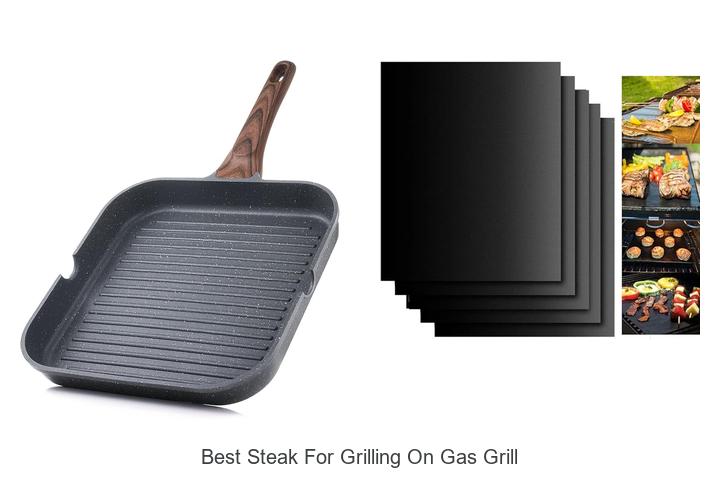
Consider using grill mats or foil as extra protection.
Finally, keep an eye out for any rust flakes during cooking and discard any food that comes into contact with visible rust. Taking these precautions helps guarantee your meal stays safe and enjoyable.
How to Preheat and Use a Rusty Grill Safely
Before you start cooking, you should preheat your rusty grill thoroughly to burn off any residual rust and bacteria.
Follow these steps to do it safely:
- Turn the grill on high and close the lid. Let it heat for at least 15 minutes. This intense heat will help eliminate contaminants and loosen rust flakes.
- Use a grill brush to scrape off any loose rust and debris while the grill is hot, but be careful not to inhale dust or particles.
- After cleaning, wipe the grates with a damp cloth or paper towel to remove any remaining residue before cooking.
How to Maintain Your Grill to Stop Rust From Coming Back
To keep your rusty grill from returning to its old state, you need to maintain it regularly and properly.
After each use, clean the grates thoroughly with a wire brush to remove food residue and moisture, which can accelerate rust. Apply a thin coat of cooking oil on the grates while they’re still warm to create a protective barrier against moisture.
Check for any developing rust spots weekly and scrub them off promptly before they worsen. Avoid using harsh chemicals that can damage the metal; instead, opt for mild soap and water.
Keep the grill covered when it’s not in use to shield it from rain and humidity.
Tips for Storing and Protecting Your Grill During Off-Season
When the grilling season ends, you’ll want to store your grill properly to prevent rust and damage.
Follow these tips to keep it in top shape during the off-season:
- Clean Thoroughly: Remove all food residue and grease to stop buildup that encourages rust.
- Cover It Up: Use a weatherproof grill cover to shield your grill from rain, snow, and dust.
- Store in a Dry Place: If possible, keep your grill in a garage or shed to avoid exposure to moisture.
Signs Your Grill Is Too Rusty to Use Safely
Proper storage can keep your grill rust-free, but if it’s been neglected, rust may have taken hold. You’ll want to inspect your grill carefully before cooking.
If the rust has caused deep pitting or flaking on the grates or body, it’s a clear sign the metal is compromised. Surface rust that wipes away easily is usually fine, but stubborn rust that chips off in chunks means the grill is unsafe.
Also, check for rust near gas valves or burners—damage here can cause leaks or uneven heating. If your grill smells metallic or has visible rust particles that could fall onto food, it’s best to stop using it.
Recognizing these signs helps you avoid health risks and unsafe cooking conditions.
Simple Habits to Keep Your Grill Rust-Free Year-Round
Although rust can seem inevitable, adopting a few simple habits can keep your grill in top shape year-round. You don’t have to let rust take over your cooking space.
Try these easy steps:
- Clean after each use. Scrape off food residues and wipe down the grates while they’re still warm to prevent buildup and moisture.
- Oil the grates regularly. Lightly coat your grill grates with cooking oil to create a protective barrier against moisture and rust.
- Cover your grill. Use a weather-resistant grill cover when it’s not in use to shield it from rain and humidity.
Frequently Asked Questions
Can Rust on My Grill Affect the Flavor of My Food?
Yes, rust can affect your food’s flavor, giving it a metallic or off taste. You should clean and remove rust before cooking to avoid unpleasant flavors and potential health risks from ingesting rust particles.
Is It Safe to Use Aluminum Foil on a Rusty Grill?
You might feel like a chef in a smoky Western, but yes, you can use aluminum foil on a rusty grill. It creates a barrier, protecting your food from rust while helping retain juices and flavor.
Can Grilling on a Rusty Surface Cause Allergies?
Grilling on a rusty surface can cause allergic reactions if you’re sensitive to rust or metal particles. You should avoid rust exposure by cleaning the grill thoroughly or using a protective barrier like foil to prevent skin or food contact.
How Does Rust Impact the Grill’s Heat Distribution?
Imagine your steak cooking unevenly—rust disrupts your grill’s heat distribution by creating hot and cold spots. You won’t get consistent grilling, which means some parts might burn while others stay undercooked.
Are Electric Grills Less Prone to Rust Than Charcoal Grills?
Yes, electric grills are generally less prone to rust than charcoal grills because they don’t expose metal parts to ash or moisture as much. Still, you should clean and dry your grill regularly to prevent rust from forming.
Conclusion
When it comes to cooking on a rusty grill, remember that “a stitch in time saves nine.” Taking quick action to clean and maintain your grill not only keeps it safe but also extends its life. You can enjoy tasty meals without worry by spotting unsafe rust early and knowing when to replace parts. Keep up simple habits, and your grill will stay rust-free and ready for every cookout season.