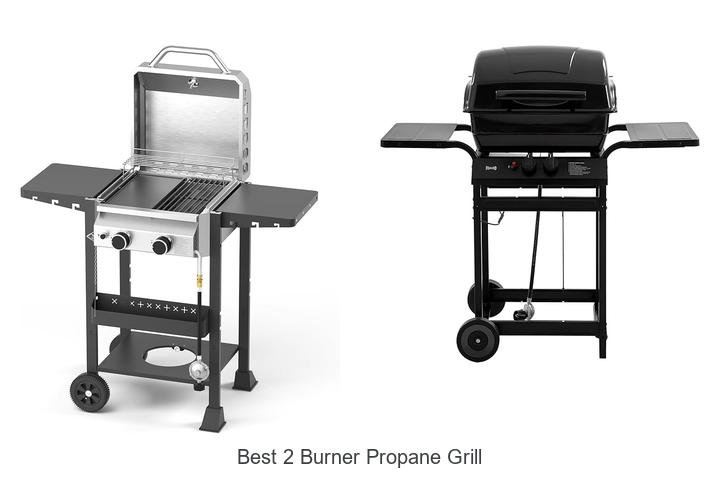
How Can You Keep Mice Out of Your Grill?
You can keep mice out of your grill by cleaning it thoroughly after each use to remove food scraps and grease that attract them. Seal all cracks and entry points with heat-resistant materials, and use a durable, snug-fitting cover to block access. Store your grill indoors when possible and maintain your yard by trimming grass and removing debris to reduce hiding spots. Taking these steps helps protect your grill, and there’s more you can do to guarantee it stays rodent-free year-round.
Why Do Mice Choose Your Grill to Nest?
Why do mice pick your grill as their nesting spot? It’s simple: your grill offers warmth, shelter, and sometimes even food crumbs, making it an ideal hideout.
When you’re not using it, the grill provides a cozy, enclosed space that protects mice from predators and harsh weather. Plus, if you’ve stored any grills or accessories nearby, they create additional hiding places.
Mice are also attracted to the lingering smells of food, which can linger in grills even after cleaning. If your grill is in a quiet, less trafficked area, it becomes even more appealing to these critters searching for a safe home.
Understanding why your grill attracts mice helps you take better steps to protect it.
How to Spot Early Signs of Mice in Your Grill
Although mice are skilled at staying hidden, you can catch early signs of their presence in your grill by paying close attention to subtle clues. Look for small droppings around and inside the grill; they’re usually dark and pellet-shaped. You might notice greasy rub marks where mice frequently travel or nest.
Check for tiny holes or shredded material near the grill’s corners or under covers—these indicate nesting activity. Listen for faint scratching or scurrying sounds, especially at night. Also, watch for disturbed or missing food remnants and unusual smells like ammonia.
Spotting these signs early lets you act quickly before mice cause damage or multiply, keeping your grill safe and ready for use.
Why Your Grill Attracts Mice
Because grills often provide easy access to food residues and shelter, they naturally attract mice looking for a cozy spot to nest and snack. When you leave your grill unattended, you might unknowingly invite these critters.
Mice are drawn to:
- Leftover crumbs and grease that linger after cooking
- Warmth inside the grill body, especially during colder months
- Dark, enclosed spaces under lids or inside storage compartments
- Nearby vegetation or clutter that offers easy hiding spots
Understanding why your grill appeals to mice helps you recognize the risk and take steps to prevent them from making it their home. Keep in mind that even a small amount of food debris or a sheltered nook can be enough to lure them in.
How Cleaning Your Grill Keeps Mice Away
Since leftover food and cozy hiding spots attract mice to your grill, keeping it clean can make a big difference in deterring them. You should start by removing grease buildup and food scraps after every use. Mice are drawn to the smell of food, so wiping down surfaces and cleaning grates will reduce their interest.
Don’t forget to empty and clean the drip pans regularly, as they often collect residue that can lure rodents. Also, check for any nesting materials like leaves or paper that may have accumulated inside or around the grill.
How to Choose Grill Covers That Keep Mice Out
When protecting your grill from mice, choosing the right cover plays a crucial role. A good cover acts as a barrier, preventing rodents from nesting inside.
Look for covers made of tough, chew-resistant materials like heavy-duty vinyl or reinforced polyester. Make sure the cover fits snugly to avoid gaps where mice can slip in.
Also, consider covers with secure fasteners or straps to keep it firmly in place during windy conditions.
Here’s what to focus on:
- Durable, chew-proof material
- Tight, custom fit for your grill model
- Weather-resistant to withstand outdoor elements
- Secure straps or fasteners to prevent slipping
Picking the right cover helps you keep your grill clean, dry, and rodent-free.
How to Seal Gaps and Cracks in Your Grill
Where do mice sneak into your grill? Often, they exploit small gaps and cracks in the grill’s body or around the lid. To keep them out, inspect your grill thoroughly, focusing on seams, vents, and any damaged areas.
Use a high-temperature silicone sealant designed for outdoor use to fill these openings, ensuring it can withstand heat without breaking down. For larger holes, patch them with metal mesh or a grill-safe patch kit before sealing.
Don’t forget to check the underside and inside edges of your grill for hidden entry points. By sealing all possible access points effectively, you deny mice shelter and nesting spots, making your grill a less inviting place.
This simple step helps protect your grill from unwanted rodent guests.
Natural Repellents to Keep Mice Away From Your Grill
Although sealing gaps is essential, you can boost your grill’s defenses by using natural repellents that mice dislike. These repellents create an environment that’s uncomfortable for mice without chemicals.
Try placing sachets or cotton balls soaked in these scents around your grill area:
- Peppermint oil: mice hate its strong smell and often avoid areas treated with it.
- Cayenne pepper: the spicy scent irritates their noses, keeping them away.
- Cloves or clove oil: its pungent aroma deters rodents effectively.
- Garlic: its sharp scent is unpleasant for mice and can discourage them from nesting near your grill.
Using these natural options helps keep your grill mouse-free while being safe for you and your family. Remember to refresh the repellents regularly for best results.
How to Safely Use Mouse Traps Near Your Grill
Wondering how to use mouse traps near your grill without causing harm or inconvenience? First, place traps in areas where mice frequent but away from direct heat or food prep zones to avoid contamination.
Use covered or enclosed traps to prevent pets or children from accidental contact. Check traps daily to promptly remove any caught mice and reset or dispose of traps as needed.
Wear gloves when handling traps to maintain hygiene and reduce scent transfer, which might deter mice. Avoid using poison traps near your grill since they can contaminate surfaces and attract pests.
Position traps discreetly under or behind the grill, where mice like to hide. Following these steps keeps your grill area safe while effectively managing mice.
When to Hire Pest Control for Mice in Your Grill
If you’ve tried traps and DIY methods but mice keep returning to your grill, it’s time to contemplate hiring professional pest control. Experts can assess the situation and implement targeted solutions that are often more effective than home remedies.
You should seek professional help when:
- You notice a large or persistent infestation around your grill area.
- DIY traps and repellents fail to reduce mouse activity.
- You find signs of damage or contamination inside the grill.
- You want to ensure safe and thorough removal without risking harm to yourself or pets.
Hiring pest control can save you time and prevent further damage.
Professionals also offer advice on long-term prevention tailored to your specific environment, keeping your grill safe and mouse-free.
Why Storing Your Grill Indoors Helps Prevent Mice
Because mice are drawn to sheltered, warm spaces, storing your grill indoors considerably reduces the chance they’ll make it their home.
When your grill is outside, it offers easy access to warmth and shelter, especially during colder months.
Bringing it indoors limits their entry points and exposes the grill to less favorable conditions for nesting.
You also maintain better control over cleanliness and monitor any signs of mice early.
Plus, indoor storage keeps food smells contained, which can attract rodents.
Just make sure to clean your grill thoroughly before moving it inside to avoid bringing any crumbs or grease that might lure mice.
How Yard Maintenance Keeps Mice Away From Your Grill
Maintaining your yard plays a crucial role in keeping mice away from your grill. You want to eliminate any spots that provide shelter or food for these pests. Regular yard upkeep makes your outdoor space less inviting to mice and reduces their chances of sneaking into your grill area.
Focus on these key tasks:
- Keep grass trimmed short to reduce hiding places.
- Remove leaf piles, tall weeds, and brush where mice nest.
- Store firewood and debris away from your grill and off the ground.
- Clear fallen fruits or birdseed that attract rodents.
Tips to Protect Your Grill Year-Round From Mice
Although mice can be persistent, you can take simple steps to protect your grill year-round. Start by always cleaning your grill after use, removing grease and food particles that attract rodents.
Invest in a high-quality grill cover that fits snugly to block entry points. Store your grill in a garage or shed if possible, limiting access during colder months when mice seek warmth.
Place natural repellents like peppermint oil-soaked cotton balls around your grill area to deter mice. Regularly inspect and seal any cracks or holes near your grill to prevent easy access.
Finally, keep the surrounding area clear of clutter and debris where mice can hide. By staying consistent with these habits, you’ll keep your grill mouse-free all year.
Frequently Asked Questions
Can Mice Damage the Electrical Components of My Grill?
Yes, mice can damage your grill’s electrical components by chewing on wires and insulation. You should regularly inspect and clean your grill to prevent costly repairs and guarantee it functions safely and efficiently.
Are Certain Grill Brands More Prone to Mice Infestation?
Certain grill brands with more gaps or less secure seals can attract mice more easily. You’ll want to choose grills with tight fittings and durable materials to reduce infestation risks and keep those pesky critters out.
How Long Can Mice Survive Inside a Grill?
Mice can survive inside your grill for up to two weeks if they find food and shelter. However, lack of water or extreme temperatures can shorten their stay, so regular cleaning helps prevent them from settling in.
Do Mice Carry Diseases That Can Contaminate Grill Food?
Yes, mice carry diseases like salmonella and hantavirus that can contaminate your grill food. You’ll want to clean your grill thoroughly and keep it covered to prevent contamination and protect your health.
Can Ultrasonic Devices Effectively Repel Mice From Grills?
Ultrasonic devices can help repel mice from your grill, but they’re not foolproof. You’ll want to combine them with good cleaning habits and secure storage to keep rodents truly away and protect your grill effectively.
Conclusion
Keeping mice out of your grill takes consistent effort, but it’s worth it to protect your investment and avoid unwanted pests. By cleaning regularly, using tight-fitting grill covers, storing your grill indoors when possible, and maintaining your yard, you’ll make your grill less inviting to mice. If you spot signs of mice, don’t wait—act quickly or call pest control. With these steps, you can enjoy a mouse-free grill all year round.