10 Steps to Deep Clean Your Gas Grill
To deep clean your gas grill, first gather your tools and turn off the gas supply safely. Remove and soak grates and burner covers, then scrub and inspect them for damage. Clean burners by clearing blockages and scraping grease from the cooking chamber. Empty and wash the grease tray, clean inside the lid and grill walls, then reassemble all parts securely. Finally, check gas connections and test ignition to verify safe operation. Follow these steps, and you’ll be ready to maintain your grill like a pro.
Gather Your Tools and Supplies for Gas Grill Cleaning
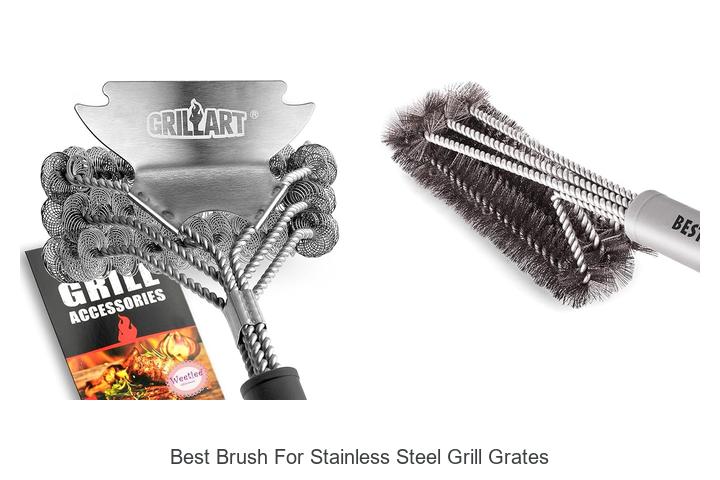
Before you plunge into scrubbing your gas grill, make sure you’ve gathered all the necessary tools and supplies. You’ll need a sturdy grill brush with metal bristles to remove stuck-on grime, plus a putty knife or scraper for tougher residue.
Grab a bucket filled with warm, soapy water—dish soap works perfectly. Don’t forget a sponge or cloth for wiping surfaces down afterward. To protect your hands, put on some durable gloves.
Have a spray bottle with vinegar or a grill cleaner handy for extra stubborn spots. Also, keep paper towels or rags nearby for drying.
Finally, a vacuum or handheld blower can help clear out debris inside your grill. When you have everything ready, you’ll clean efficiently and thoroughly without interruptions.
Turn Off and Disconnect Your Gas Grill Safely
How do you guarantee your gas grill is completely safe to clean? First, turn off all the burners and the main gas supply valve on the propane tank or natural gas line. This stops any gas flow immediately.
Next, disconnect the gas hose from the grill. If you use a propane tank, unscrew the hose connector carefully and place the tank in a well-ventilated area away from your grill.
For natural gas grills, make sure the valve is fully closed before detaching the hose. Avoid using tools that might damage connectors.
Double-check that no gas is leaking by smelling for gas or using a soapy water solution on fittings; bubbles would indicate leaks.
Taking these steps guarantees your safety before starting the deep cleaning process.
Remove Grill Grates and Burner Covers for Soaking
Start by carefully removing the grill grates and burner covers from your gas grill. These parts usually lift out easily, but check your grill’s manual if you’re unsure.
Once removed, place them in a large container or tub filled with warm, soapy water. Let them soak for at least 30 minutes to loosen grease, food residue, and carbon buildup.
While soaking, inspect the grates and covers for any cracks or damage—replace them if necessary. Soaking makes scrubbing much easier later, saving you effort and time.
Avoid soaking other components like burners or ignition parts, as they can be sensitive to water.
After soaking, you’ll be ready to scrub these pieces thoroughly to restore your grill’s cooking surfaces.
Clean Gas Grill Burners and Check for Blockages
Two key tasks will guarantee your gas grill burners work efficiently: cleaning them thoroughly and checking for blockages.
Start by disconnecting the propane tank for safety.
Then, follow these steps:
- Remove the burners carefully and inspect them for rust or damage.
- Use a soft brush or compressed air to clear debris from burner ports.
- Check each burner tube for blockages like spider webs or grease build-up, especially at the gas inlet.
- Reattach the burners securely and reconnect the propane tank once clean.
Scrape Grease and Food Residue From Cooking Chamber
Once the burners are clean and free of blockages, turn your attention to the cooking chamber, where grease and food residue tend to build up. Use a sturdy grill scraper or putty knife to carefully scrape off any stuck-on grease, charred bits, and debris from the chamber’s surfaces. Be thorough but gentle enough to avoid damaging the grill’s interior.
Focus on corners and crevices where residue collects. Collect all loosened debris in a disposable container or trash bag to avoid mess. If grease is particularly stubborn, you can apply a grill-safe degreaser and let it sit briefly before scraping again.
This step helps prevent flare-ups and keeps your grill operating efficiently, setting the stage for the next cleaning phase with grates and burner covers.
Wash Grill Grates and Burner Covers Thoroughly
Before reassembling your grill, it’s important to wash the grill grates and burner covers thoroughly to remove lingering grease and food particles. This step guarantees even heat and better flavor the next time you grill.
Here’s how to do it:
- Remove the grates and burner covers from the grill carefully.
- Soak them in warm, soapy water for 15-30 minutes to loosen grime.
- Scrub with a stiff brush or grill brush to remove stuck-on residue.
- Rinse thoroughly with clean water and dry completely to prevent rust.
Empty and Clean Gas Grill Grease Tray and Catch Pan
Your gas grill’s grease tray and catch pan collect much of the drippings and debris during cooking, so emptying and cleaning them regularly is essential to prevent flare-ups and maintain hygiene.
Start by removing the grease tray and catch pan carefully to avoid spills. Dispose of the accumulated grease and residue into a safe container—never pour it down the drain.
Next, scrub these parts with warm, soapy water using a non-abrasive brush or sponge to remove stuck-on grease. Rinse them thoroughly and let them dry completely before reinstalling.
Regularly checking and cleaning these components not only reduces fire hazards but also keeps your grill functioning smoothly. Don’t overlook this step; a clean grease tray and catch pan contribute notably to your grill’s longevity and safety.
Clean the Inside of the Grill Lid and Walls
After clearing out the grease tray and catch pan, turn your attention to the inside of the grill lid and walls. These areas collect grease and residue that can affect flavor and performance. Here’s how to clean them effectively:
- Scrape off loose debris using a plastic scraper or grill brush to avoid damaging the surface.
- Apply a grill-safe degreaser or a mixture of warm water and mild dish soap.
- Scrub gently with a non-abrasive sponge or cloth to remove stubborn grease and soot.
- Rinse thoroughly with clean water and wipe dry with a microfiber cloth to prevent rust and streaks.
This routine keeps your grill’s interior fresh and ready for your next cookout.
Reassemble Your Gas Grill and Inspect for Damage
Once you’ve thoroughly cleaned each component, start reassembling your gas grill carefully, making certain every part fits securely. Begin with the burners, aligning them properly with the gas valves.
Next, reinstall the heat shields and cooking grates, making sure they sit firmly in place. Attach the grease tray and any other removable parts as per the manufacturer’s instructions.
As you work, inspect each piece for signs of damage like cracks, rust, or warping. Pay special attention to gas connections and hoses for leaks or wear.
If you spot any damage, replace or repair the affected parts before proceeding. This careful inspection helps maintain safety and ensures your grill operates efficiently for many more cookouts to come.
Perform Final Wipe Down and Test Gas Grill Ignition
Before firing up your grill, give all surfaces a final wipe down to remove any remaining residue or dust. This guarantees your cooking area is spotless and ready for use.
Next, test the ignition system to confirm everything works safely and efficiently.
Follow these steps:
- Make sure the gas supply is turned on.
- Press the ignition button and listen for the clicking sound.
- Watch for the burner to ignite promptly.
- If the burner doesn’t ignite, turn off the gas and check connections or clean the igniter.
Performing this final check helps prevent surprises and guarantees your grill is ready for your next cookout.
Frequently Asked Questions
How Often Should I Deep Clean My Gas Grill?
You should deep clean your gas grill at least twice a year, ideally before and after the grilling season. If you grill frequently, consider deep cleaning every few months to keep it in top shape and prevent buildup.
Can I Use a Pressure Washer to Clean My Grill?
You can use a pressure washer cautiously, but avoid spraying directly on burners or gas connections. It’s best to clean grates and exterior surfaces with gentler methods to prevent damage and maintain your grill’s performance.
What Is the Best Cleaner for Stainless Steel Grill Surfaces?
You’ll want a gentle stainless steel cleaner or a mixture of vinegar and water. Avoid abrasive scrubs—they can scratch. Spray, wipe with a microfiber cloth, and buff for a streak-free, shiny finish that protects your grill’s surface.
How Do I Prevent Rust on My Gas Grill?
You can prevent rust on your gas grill by keeping it clean and dry, applying a thin layer of cooking oil to metal surfaces, covering it when not in use, and storing it in a sheltered area during bad weather or winter months.
Can I Leave My Grill Outside During Winter?
You can leave your grill outside during winter, but you shouldn’t. Cover it with a waterproof grill cover and store it in a sheltered spot to prevent rust and damage from snow, ice, and freezing temperatures.
Conclusion
Now that you’ve followed these steps, your gas grill is ready for many delicious meals ahead. Regular deep cleaning not only keeps your grill looking great but also guarantees it works efficiently and safely. Don’t forget to inspect for any damage during reassembly to avoid issues later. With your grill sparkling clean and ignition tested, you’re all set to fire it up and enjoy your next barbecue with confidence. Happy grilling!