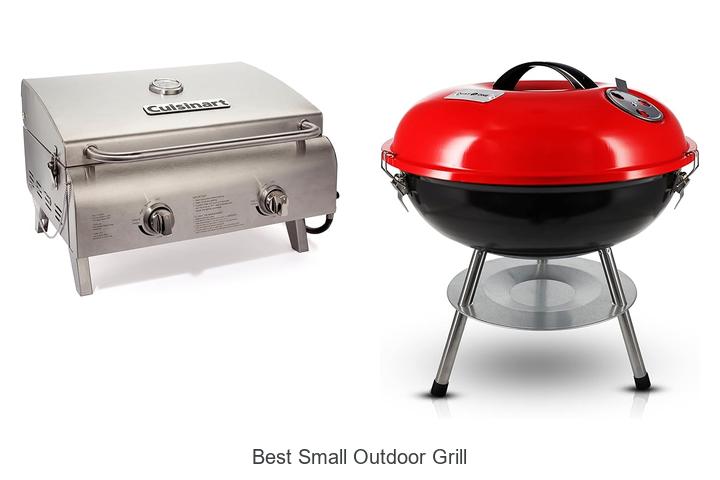
How Long to Let a Small Grill Get to Temp for Perfect Cooking
You should let your small grill preheat for about 10 to 15 minutes to reach the perfect temperature for even cooking and great searing. Keep the lid closed during this time to trap heat and use a thermometer to check when it’s ready. Proper preheating prevents uneven cooking, sticking, and flare-ups, ensuring your food tastes its best. If you want to master timing and temperature, you’ll find plenty of helpful tips ahead.
Why Preheating Your Small Grill Matters
Although it might seem like an extra step, preheating your small grill guarantees even cooking and prevents food from sticking. When you let your grill reach the right temperature before placing food on it, you create an ideal cooking environment.
This helps sear meats, locking in juices and flavor. It also ensures that heat distributes evenly across the grill surface, so your food cooks consistently without hot or cold spots.
Skipping preheating can cause uneven cooking, leaving some parts underdone while others burn. Additionally, a properly heated grill grates reduce sticking, making it easier to flip and remove food without tearing or losing those delicious grill marks.
Taking this simple step improves your grilling results and makes cleanup easier, giving you better meals every time.
How Long to Preheat a Small Grill for Best Results
When you’re ready to start cooking, preheat your small grill for about 10 to 15 minutes to reach the ideal temperature. This time frame allows the grill grates to heat evenly, ensuring consistent cooking and better sear marks on your food.
Rushing the preheat phase can lead to uneven heat distribution, which affects flavor and texture.
To get the best results, keep these tips in mind:
- Close the lid during preheating to trap heat and speed up the process.
- Avoid opening the grill frequently, as it lets heat escape and extends preheating time.
- Use a grill thermometer to monitor the temperature accurately and adjust the heat as needed.
Following these steps helps you achieve perfectly cooked meals every time.
How to Tell When Your Small Grill Is Ready
Even if you’ve preheated your grill for the recommended time, you’ll want to verify a few key signs to know when it’s truly ready.
First, place your hand about five inches above the grill grate. If you can hold it there for only two to four seconds before it feels too hot, your grill is likely at medium-high heat, perfect for most grilling.
Next, look at the grill grates: they should be glowing slightly or emitting a faint heat shimmer.
You can also listen for a steady sizzling sound when you add a drop of water—this means the surface is hot enough to sear.
Common Signs Your Small Grill Is Too Hot or Not Hot Enough
If your grill isn’t at the right temperature, your food won’t cook properly, and you’ll end up frustrated. Recognizing when your small grill is too hot or not hot enough helps you adjust quickly for perfect results.
Here are common signs to watch for:
- Too Hot: Food chars or burns quickly on the outside while staying raw inside. You’ll see excessive smoke and flare-ups.
- Not Hot Enough: Food cooks unevenly, takes too long, or doesn’t sear properly, resulting in a pale, dry appearance.
- Inconsistent Heat: Hot spots cause some food to cook faster than others, leading to uneven doneness.
Pay attention to these cues to maintain the ideal grill temperature and cook with confidence every time.
Factors That Affect Small Grill Preheat Time (Size, Fuel, and Weather)
Adjusting your grill’s temperature relies on understanding what affects how long it takes to heat up. First, the size of your small grill plays a big role—larger grills take longer to reach the desired temperature because they’ve more space to heat.
Next, the type of fuel you use impacts preheat time; charcoal grills generally need more time to get hot, while gas grills heat up faster and offer more precise control.
Finally, weather conditions matter—cold, windy, or damp days can slow down your grill’s warming process by causing heat loss.
Typical Preheat Times by Small Grill Type
While preheat times vary, knowing the typical duration for different small grill types helps you plan your cooking better. Each grill type heats differently due to its design and fuel source.
For example, gas grills heat up faster, while charcoal grills take longer to reach the ideal temperature. Electric grills fall somewhere in between.
Here’s a quick reference for typical preheat times:
- Gas grills: 10–15 minutes to reach 400°F
- Charcoal grills: 15–25 minutes to get coals glowing and hot
- Electric grills: 12–18 minutes to reach cooking temperature
Understanding these ranges lets you better schedule your grilling session and avoid rushing or waiting too long before cooking.
How to Speed Up Your Small Grill’s Preheat Time
Wondering how to cut down your small grill’s preheat time? Start by keeping your grill lid closed as much as possible. Opening it lets heat escape, making your grill take longer to reach the desired temperature.
Use a chimney starter if you’re using charcoal—it gets the coals glowing faster and more evenly. Also, arrange your charcoal or turn on your gas burners at full power right from the start to jumpstart heating.
Keep your grill clean; leftover ash or grease can block airflow, slowing the heating process. Finally, preheating in a sheltered spot away from wind helps maintain consistent heat.
Following these tips will get your small grill ready quicker, so you can spend less time waiting and more time enjoying your meal.
How to Check Small Grill Temperature With a Thermometer
Even if you’ve mastered your grill’s preheat time, you won’t get consistent results without accurately checking the temperature. Using a thermometer is essential to verify your small grill reaches and maintains the right heat for perfect cooking.
Here’s how you can check your grill’s temperature effectively:
- Place the thermometer probe on the grill grate, avoiding direct contact with flames or heating elements to get an accurate reading.
- Wait a few seconds for the thermometer to stabilize before noting the temperature.
- For best results, check the temperature at multiple spots on the grill surface to identify any hot or cool zones.
Mistakes That Slow Down Your Small Grill Heating
If your small grill takes longer than expected to heat up, you might be making common mistakes that slow the process. One frequent error is leaving the lid open during preheating. Heat escapes quickly, forcing your grill to work harder to reach the desired temperature.
Another mistake is using damp or unseasoned charcoal, which burns less efficiently and delays heating. Also, overcrowding the grill with too much fuel can restrict airflow, reducing combustion efficiency.
Failing to clean the grill’s vents can block airflow, preventing proper heat buildup. Finally, placing the grill in a windy or shaded spot can cool it down.
Avoid these pitfalls to speed up heating and get your small grill ready faster for perfect cooking.
Adjusting Cooking Times for Uneven Small Grill Heat
Avoiding common mistakes can help your small grill heat faster, but uneven heat distribution is still a challenge you might face. To get consistent results, you need to adapt cooking times based on the grill’s hot and cool zones. Here’s how you can handle this:
- Rotate your food regularly to ensure even exposure to heat.
- Place thicker cuts or items needing longer cooking over hotter spots.
- Use a grill thermometer to identify temperature variations and modify your cooking plan accordingly.
How Proper Preheating Locks in Small Grill Flavor
When you preheat your small grill properly, you create the ideal environment for locking in flavor and achieving that perfect sear. Heating the grill to the right temperature ensures the grates are hot enough to instantly caramelize the surface of your food, sealing in juices and enhancing taste.
This quick searing process prevents moisture from escaping, keeping your meat tender and flavorful. Additionally, a well-preheated grill reduces sticking, so your food cooks evenly without tearing.
Proper heat also promotes the Maillard reaction, which develops those rich, complex flavors you crave. Skipping or rushing preheating means uneven cooking and a loss of depth in flavor.
Taking the time to let your small grill get fully hot guarantees in every bite.
Final Tips for Perfect Small Grill Preheating
Although preheating might seem straightforward, mastering a few final tips can elevate your small grill’s performance and guarantee consistent results every time.
First, always clean your grill grates before heating to prevent flare-ups and promote even cooking.
Second, keep the lid closed during preheating to trap heat efficiently, which assures your grill reaches the desired temperature faster.
Finally, use an accurate grill thermometer to monitor the temperature rather than relying solely on time estimates.
- Clean grates before preheating to avoid sticking and flare-ups
- Keep the lid closed to maintain consistent heat
- Use a reliable thermometer for precise temperature control
Following these tips helps you achieve perfect preheating, setting the stage for delicious meals cooked just right.
Frequently Asked Questions
What Types of Fuel Are Best for Small Grills?
You’ll want to use charcoal or propane for small grills. Charcoal adds smoky flavor, while propane offers quick heat and easy control. Both fuel types are convenient, but propane’s faster ignition suits quick grilling sessions best.
How Often Should I Clean My Small Grill?
You should clean your small grill after every use to prevent buildup and maintain flavor. Deep clean it monthly by scrubbing grates and emptying grease traps. Regular cleaning keeps your grill working perfectly and safe.
Can I Preheat My Small Grill Indoors?
You shouldn’t preheat your small grill indoors because it produces harmful fumes and poses a fire risk. Always use it outside in a well-ventilated area to stay safe and avoid dangerous carbon monoxide buildup.
What Safety Precautions Should I Take When Grilling?
You should keep your grill outdoors, away from flammable materials, and never leave it unattended. Always use long-handled tools, wear heat-resistant gloves, and check for gas leaks before lighting. Keep a fire extinguisher nearby.
How Do Weather Conditions Affect Grilling Results?
You’ll notice windy or cold weather slows your grill’s heating, making cooking uneven. Rain adds moisture, affecting searing. Adjust your grill time and keep the lid closed to maintain consistent temperatures despite weather changes.
Conclusion
Preheating your small grill is key to cooking perfectly every time. Take about 10-15 minutes to reach the ideal temperature, watching for steady heat and proper grill marks. Avoid rushing—it locks in flavor and guarantees even cooking. Remember, factors like size, fuel, and weather can affect heating time, so adjust as needed. With these tips, you’ll enjoy delicious, evenly cooked meals every time you fire up your grill.