How to Grind Meat at Home in 5 Easy Steps
To grind meat at home, start by choosing a cut with about 20% fat and trim it into 1-inch cubes. Chill both the meat and your meat grinder for the best results. Feed the meat slowly through the grinder using a pusher, collecting the ground meat in a bowl. Clean your grinder thoroughly afterward to guarantee safety, and store your ground meat properly in the fridge or freezer. Keep going, and you’ll discover helpful tips on picking the right grinder and safe storage.
Pick the Right Meat and Prepare It for Grinding
Before you start grinding, choose meat with the right fat content to guarantee flavor and texture. Aim for about 20% fat to keep your ground meat juicy and flavorful. Lean cuts like chuck, brisket, or sirloin work great. Avoid fatty or sinewy parts; they can clog your grinder and ruin the texture.
Trim off excess silver skin, gristle, and tough connective tissue to prevent a chewy final product. Cut the meat into small, uniform chunks—about 1 to 2 inches wide—so it passes smoothly through the grinder.
For best results, chill the meat and grinding components for at least 30 minutes; cold meat grinds cleaner and reduces smearing. By prepping your meat properly, you’ll guarantee a delicious, well-textured grind every time.
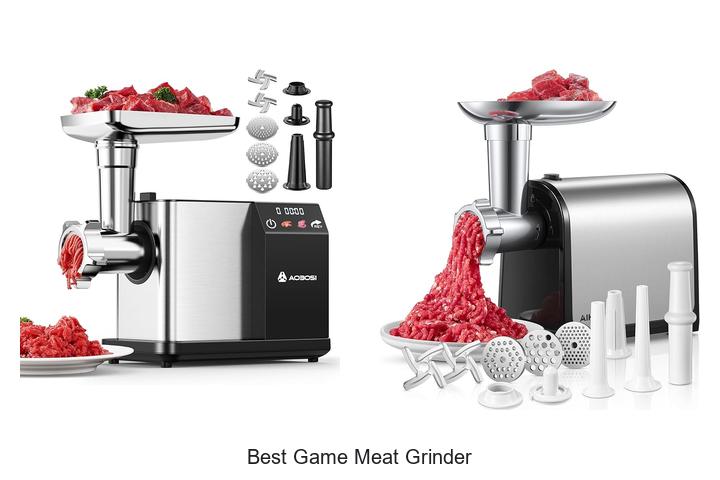
Choose Your Meat Grinder: Manual vs. Electric Options
Choosing the right meat grinder can make all the difference in your grinding experience. You’ll want to weigh your options between manual and electric grinders before you start.
- Manual grinders are affordable, portable, and don’t require electricity, great for small batches.
- Electric grinders save time and effort, perfect if you plan to grind meat often or in large amounts.
- Consider the noise level; manual ones are quiet, while electric models can be loud.
- Look at ease of cleaning and durability—both types vary widely, so choose one that fits your lifestyle.
Set Up and Clean Your Grinder for Safe Use
A clean and properly set up grinder guarantees your meat stays safe and fresh. Before you start, disassemble all removable parts and wash them thoroughly with warm, soapy water. Rinse and dry everything completely to prevent rust and bacteria buildup.
Inspect the blades and plates for any damage or dullness—replace them if needed. When assembling, make certain each part fits snugly and securely to avoid leaks or jams during grinding.
Sanitize your work area and your hands before handling the meat. After grinding, immediately clean the grinder again to remove any leftover residue.
Following these steps keeps your equipment hygienic and prolongs its life, making sure every batch of ground meat you make is safe and delicious.
How to Grind Meat at Home in 5 Easy Steps
Once your grinder is clean and ready, you can start grinding meat at home with confidence. Here’s how to do it in five easy steps:
- Chill the Meat and Grinder: Keep both cold to guarantee clean cuts and prevent smearing.
- Cut Meat into Small Pieces: Trim excess fat and cut meat into 1-inch cubes for smooth grinding.
- Feed Meat into Grinder Slowly: Use the pusher to guide meat evenly without forcing it.
- Collect Ground Meat: Let the grinder work; collect the meat in a bowl, ready for your recipe.
Repeat feeding if you need more ground meat. Following these steps guarantees fresh, perfectly ground meat every time, making your homemade dishes tastier and safer.
Store and Use Freshly Ground Meat Safely
After grinding your meat, handling and storing it properly will keep it safe and flavorful.
Transfer the meat immediately to a clean, airtight container or wrap it tightly in plastic wrap. Keep it refrigerated at 40°F (4°C) or below and use it within one to two days for the best taste and safety.
If you don’t plan to use it that soon, freeze the ground meat in portions, wrapping it securely to prevent freezer burn.
When you’re ready to cook, thaw frozen meat in the refrigerator, not on the counter, to avoid bacterial growth.
Always cook ground meat to an internal temperature of 160°F (71°C) to verify harmful bacteria are destroyed.
Following these steps helps you enjoy your freshly ground meat safely every time.
Frequently Asked Questions
Can I Grind Meat From Frozen or Should It Be Thawed First?
You should thaw meat before grinding it. Grinding frozen meat can damage your grinder and produce uneven results. So, let it thaw slightly until firm but not fully soft for the best texture and easier handling.
What Cuts of Meat Are Best for Making Sausage?
You’ll want to use pork shoulder or pork butt for sausage—they have the right fat-to-lean ratio. You can also mix in some pork belly or beef chuck for flavor and juiciness.
How Do I Prevent Meat From Clogging My Grinder?
You prevent meat from clogging your grinder by freezing it slightly before grinding, cutting it into small chunks, and grinding in small batches. Also, clean the grinder blades regularly to keep them sharp and avoid buildup.
Are There Health Risks in Grinding Meat at Home?
You might imagine harmful bacteria lurking in your meat, but if you keep everything clean, chill meat properly, and grind it quickly, you won’t face health risks. Safe handling is your best defense against illness.
Can I Grind Other Foods Like Vegetables or Nuts With My Meat Grinder?
Yes, you can grind vegetables and nuts with your meat grinder, but make sure to clean it thoroughly between uses. Some grinders handle softer foods better, so check your model’s instructions to avoid damage or clogging.
Conclusion
Grinding great ground meat at home is gratifying and guaranteed to give you fresher flavors. By picking perfect pieces, prepping properly, and practicing proper cleaning, you pave the path to prime protein. Whether you wield a manual or electric grinder, following these five simple steps will swiftly satisfy your savory cravings. So, start spinning, stay safe, and savor the scrumptious success of homemade ground meat every single time!