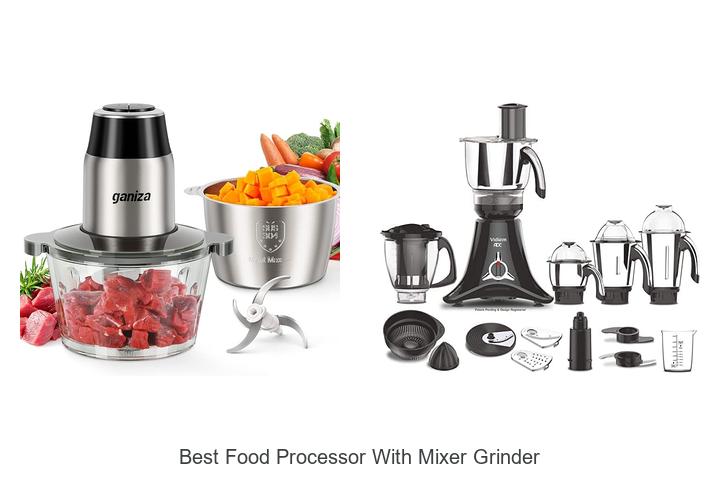
How to Grind Meat With a Food Processor in 5 Easy Steps
To grind meat with a food processor, first choose fresh, trimmed cuts of meat and cut them into small chunks. Next, chill the bowl and blade, then assemble your processor securely. Grind the meat in small batches, pulsing to avoid over-processing. Check the texture and pulse again if needed. Finally, clean your equipment thoroughly and store the ground meat safely. Keep going to discover tips for perfect grinding and storing your homemade ground meat.
Select and Trim Meat for Grinding
Before you begin grinding, choose fresh, high-quality cuts of meat that suit your recipe. You’ll want cuts with a good balance of lean meat and fat—think chuck, sirloin, or brisket for beef, and shoulder or thigh for pork and poultry.
Trim away any tough silver skin, sinew, or excess fat to prevent a chewy texture and uneven grinding. Leaving some fat is important because it adds flavor and moisture, so don’t remove it all.
Cut the meat into small, uniform chunks that fit easily into your food processor’s feed tube or bowl. This helps your processor work efficiently and produces consistent results.
Taking these steps guarantees your ground meat turns out tender, flavorful, and perfect for whatever dish you’re making.
Prepare Your Food Processor for Grinding
A clean, well-prepared food processor guarantees smooth and efficient grinding.
Start by assembling all the necessary parts, including the bowl, lid, and the sharp chopping blade. Make sure each component is securely locked in place to prevent spills or accidents.
Before you begin, check that the blade is clean and dry; any residue can affect the meat’s texture and flavor. It helps to chill the bowl and blade in the fridge for about 15 minutes—cold equipment keeps the meat from warming too quickly, preserving freshness.
Also, have a sturdy work surface and a damp cloth nearby to wipe any spills immediately.
With your food processor ready, you’re all set to start grinding your meat safely and effectively.
Grind Meat in Small Batches for Best Texture
Once your food processor is chilled and ready, focus on grinding meat in small batches. Loading too much meat at once can overload the motor and result in uneven grinding.
Cut the meat into small, uniform pieces before adding them to the bowl. Process about one to two cups per batch for consistent texture.
Pulse the meat in short bursts rather than running the processor continuously; this prevents over-processing and keeps the meat from turning into a paste.
Between batches, scrape down the sides of the bowl to guarantee even grinding.
Check Meat Texture and Regrind If Needed
After processing each batch, take a moment to check the meat’s texture to confirm it meets your recipe’s needs.
Grab a small amount and feel it between your fingers or visually inspect for uniformity. If you notice large chunks or uneven grinding, pulse the food processor a few more times in short bursts.
Avoid over-processing, which can turn the meat into a paste. If the texture still isn’t right, separate the batch and regrind only the coarser pieces.
This approach guarantees consistent texture throughout without damaging the meat’s structure. Remember, achieving the perfect grind takes patience, so don’t rush.
Adjust the grinding time based on the cut and fat content to suit your dish perfectly before moving on to the next batch.
Clean Equipment and Store Ground Meat Safely
Ensuring your equipment is clean right after grinding helps prevent cross-contamination and keeps your kitchen safe. Start by disassembling the food processor parts and washing them with hot, soapy water. Use a brush to remove any meat residue from blades and crevices. Rinse thoroughly and dry completely before storing to avoid bacterial growth.
For added safety, wipe down the processor base with a damp cloth, but don’t submerge it in water.
Once ground, store your meat in airtight containers or tightly wrapped in plastic wrap. Keep it in the coldest part of your fridge and use it within one to two days.
If you want to store it longer, freeze it in portioned bags, removing as much air as possible to maintain freshness and prevent freezer burn.
Frequently Asked Questions
Can I Grind Frozen Meat in a Food Processor?
You shouldn’t grind frozen meat directly in your food processor because it can damage the blades and motor. Instead, let the meat thaw slightly until it’s firm but not rock solid for the best results and safety.
What Cuts of Meat Are Best for Grinding?
Don’t worry if you think only expensive cuts work—chuck, brisket, and sirloin are your best bets for grinding. They balance fat and flavor perfectly, making your ground meat juicy and delicious every time you process it.
How Do I Prevent Meat From Sticking to the Processor?
You can prevent meat from sticking by chilling both the meat and the food processor bowl before grinding. Also, pulse the processor instead of running it continuously, and occasionally scrape down the sides with a spatula.
Can I Mix Different Meats in One Batch?
Yes, you can mix different meats in one batch. Imagine the rich beef blending with tender pork—combining flavors creates a delicious harmony. Just make certain all meats are equally cold, so they grind evenly without turning mushy.
How Long Can Ground Meat Be Stored in the Freezer?
You can store ground meat in the freezer for up to 3-4 months. Make sure you wrap it tightly to prevent freezer burn, and label it with the date so you can use it while it’s still fresh.
Conclusion
Grinding meat with your food processor is like tending a small garden: with careful selection, preparation, and patience, you nurture raw ingredients into something fresh and ready to nourish. By trimming, processing in batches, and checking texture, you cultivate quality in every bite. Just as a gardener cleans tools and stores seeds safely, you finish by cleaning your equipment and storing the meat properly—ensuring your efforts yield delicious, safe meals time and again.