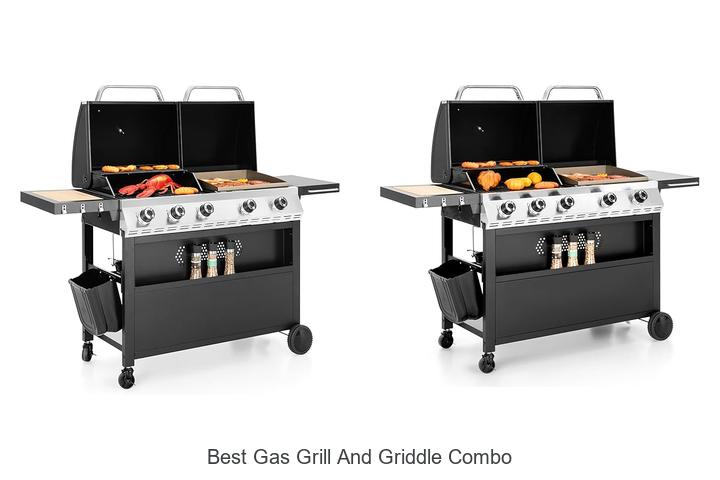
How Long Does a BBQ Grill Last: 7 Key Factors
Your BBQ grill’s lifespan depends on several key factors. Choosing a reputable brand with stainless steel parts means better durability and rust resistance. How often you grill affects wear; daily use wears parts faster, while infrequent use needs proper storage to avoid damage. Regular cleaning and maintenance prevent corrosion and flare-ups, and protecting your grill from harsh weather extends its life. Timely repairs keep it performing well, but knowing when to replace guarantees safe cooking. Explore these factors to get the most from your grill.
How Brand and Materials Affect Your BBQ Grill’s Lifespan
Although many factors influence your BBQ grill’s lifespan, the brand and materials you choose play a crucial role. When you opt for a reputable brand, you’re more likely to get a grill built with higher-quality components that resist wear and tear.
Stainless steel grills, for example, stand up better to rust and corrosion, extending your grill’s life considerably. Cheaper materials like painted steel may look good initially but tend to deteriorate faster, especially in harsh weather.
You’ll want to check if the grill has durable burners and a sturdy frame, as these parts affect longevity. Investing in a trusted brand with quality materials means you won’t have to replace your grill as often, saving time and money in the long run.
How Often You Use Your BBQ Grill Matters
How often you use your BBQ grill directly impacts how long it lasts. The more frequently you fire it up, the faster its components experience wear and tear. Grills used daily or several times a week naturally face more stress, causing parts like burners, grates, and ignition systems to degrade sooner.
Conversely, if you grill only occasionally, your equipment undergoes less strain, potentially extending its functional life. However, infrequent use can also lead to issues like rust or rodent damage if the grill isn’t properly stored.
Ultimately, your grilling frequency shapes the pace of deterioration. By understanding this, you can better anticipate when parts might need replacement or when it’s time to invest in a new grill, aligning usage with your expectations for longevity.
How Cleaning and Maintenance Help Your Grill Last Longer
Regular cleaning and maintenance play an essential role in extending your BBQ grill’s lifespan. After each use, scrape off food residue and grease from the grates to prevent buildup that causes rust and uneven heating.
Empty and clean the grease tray regularly to avoid flare-ups and damage. Periodically check burners and gas lines for clogs or leaks, ensuring safe and efficient operation.
Apply a light coat of cooking oil to the grates after cleaning to keep them seasoned and rust-free.
Don’t forget to inspect your grill’s exterior for signs of wear and clean it with mild soap and water.
Staying on top of these tasks prevents corrosion and mechanical issues, helping your grill perform reliably season after season.
How Weather and Storage Affect Your BBQ Grill’s Durability
Keeping your grill clean and well-maintained sets a solid foundation, but the weather and storage conditions play a big role in how long your BBQ grill lasts.
Exposure to rain, snow, and extreme heat accelerates rust and wear on metal parts, weakening your grill over time. If you leave your grill uncovered outdoors, moisture and UV rays will degrade its finish and components faster.
To protect your investment, store your grill in a sheltered spot, like a garage or shed, especially during harsh seasons. Using a high-quality grill cover is essential if indoor storage isn’t an option.
Proper storage reduces corrosion and mechanical damage, helping your grill stay functional and looking good for years. Don’t underestimate how much weather and storage impact durability.
How Repairs Can Prolong Your BBQ Grill’s Life
Even if your grill shows signs of wear, timely repairs can markedly extend its lifespan. By addressing small issues early, you can prevent costly replacements and keep your grill functioning smoothly. Here’s how repairs help:
- Replacing rusted burners restores even heat distribution.
- Fixing cracked heat shields prevents flare-ups and protects internal components.
- Sealing gas leaks ensures safety and efficient fuel use.
- Tightening loose screws and bolts maintains structural integrity.
When you act quickly, these fixes stop minor problems from turning into major failures. Regularly inspecting your grill and repairing worn parts keeps it reliable and ready for your next cookout.
When to Replace Your BBQ Grill
While repairs can extend your grill’s life, there comes a point when replacement is the smarter choice. If you notice frequent breakdowns, rust eating through key components, or uneven heating that no fix can solve, it’s time to contemplate a new grill.
Also, if replacement parts become scarce or costly, continuing repairs mightn’t be worth it. When your grill no longer reaches or maintains the right cooking temperature, it can affect food quality and safety.
Additionally, if the cost of repairs approaches or exceeds the price of a new unit, investing in a new grill makes more sense. Ultimately, trust your gut—if your grill feels more like a hassle than a joy, replacing it will save you time and frustration.
How to Maximize the Lifespan of Your BBQ Grill
If you want your BBQ grill to serve you well for years, regular maintenance is key. You can maximize its lifespan by staying on top of cleaning and protecting it from the elements.
Here’s how to keep your grill in top shape:
- Clean the grates after every use to prevent buildup.
- Cover your grill with a weather-resistant cover when not in use.
- Check and replace any worn or rusted parts promptly.
- Store your grill in a sheltered area during harsh weather or winter.
Frequently Asked Questions
What Type of Fuel Is Best for Extending My BBQ Grill’s Life?
You’ll want to use propane or natural gas for the best fuel type to extend your BBQ grill’s life. They burn cleaner than charcoal, reducing residue buildup and corrosion, helping your grill stay in top shape longer.
Can Cooking Certain Foods Damage My BBQ Grill Over Time?
Yes, cooking acidic or sugary foods can corrode your grill’s surfaces over time. You should clean it promptly after use and avoid letting grease or marinades build up, which can cause rust and damage your BBQ grill.
How Does Grill Size Impact Its Longevity?
A larger grill often lasts longer because it distributes heat more evenly, reducing wear. However, if you don’t clean and maintain it properly, size won’t save you from rust or damage over time.
Are There Specific Accessories That Help Preserve My BBQ Grill?
Yes, using a grill cover, cleaning brushes, and heat-resistant gloves helps preserve your BBQ grill. These accessories protect it from weather, prevent rust, and guarantee safe, thorough cleaning, extending your grill’s lifespan considerably.
Does the Grill’s Warranty Influence How Long It Lasts?
Yes, the grill’s warranty can influence how long it lasts because it often covers repairs or replacements. You’ll feel more confident maintaining and using your grill, which helps extend its overall lifespan.
Conclusion
Your BBQ grill’s lifespan depends on several key factors, from the brand and materials to how often you use and maintain it. By cleaning it regularly, protecting it from harsh weather, and making timely repairs, you can enjoy grilling for years to come. Keep an eye on wear and tear so you know when it’s time to replace your grill. With proper care, your BBQ will serve you well for many memorable cookouts.