How Long Should a Gas Grill Last With Proper Maintenance?
You can expect your gas grill to last 10 to 15 years if you keep up with proper maintenance. Regularly cleaning grates, burners, and the grill’s interior helps prevent rust and blockages. Checking for gas leaks and tightening connections guarantees safety and efficiency. Using a cover and storing your grill in sheltered spots protects it from weather damage. With consistent upkeep and timely part replacements, your grill will stay reliable longer. Keep going to discover how simple habits and smart upgrades boost your grill’s lifespan.
How Long Does a Gas Grill Last With Proper Maintenance?
Although many factors affect a gas grill’s lifespan, proper maintenance can extend it considerably. If you regularly clean the grill grates, burners, and interior, you’ll prevent buildup that causes rust and clogs.
Checking for gas leaks and tightening connections keeps your grill safe and efficient. You should also cover your grill when not in use to protect it from weather damage.
Storing it in a sheltered space during winter months can prevent premature wear. By replacing small parts like ignition batteries and drip pans when needed, you avoid larger issues.
With consistent care, your gas grill can easily last 10 to 15 years. Neglecting maintenance, however, drastically shortens its life, so staying proactive is key to enjoying your grill season after season.
Common Gas Grill Parts That Wear Out Fast
Even with proper maintenance, some parts of your gas grill will wear out faster than others due to constant exposure to heat and weather. Burners are usually the first to degrade, as they endure intense flames and can corrode or clog over time.
Heat shields or flavorizer bars also wear out quickly, since they sit directly above burners and catch drippings, causing rust. Grill grates face constant high heat and food residue, which can cause them to crack or warp.
Igniters may fail from repeated use or moisture exposure, making it hard to start your grill. Ultimately, gas hoses and regulators can deteriorate or crack, posing safety risks.
Keeping an eye on these parts helps you replace them promptly and extend your grill’s life.
Cleaning Your Gas Grill to Extend Its Lifespan
Because grease buildup and food residue can quickly damage your gas grill, regular cleaning is essential to keep it functioning well and lasting longer.
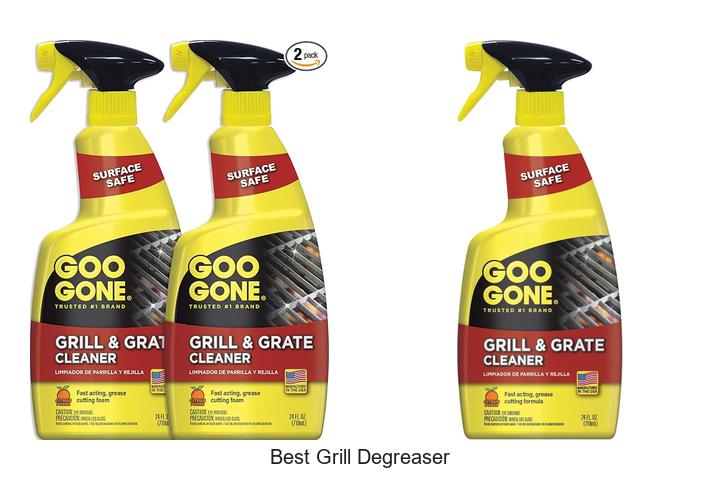
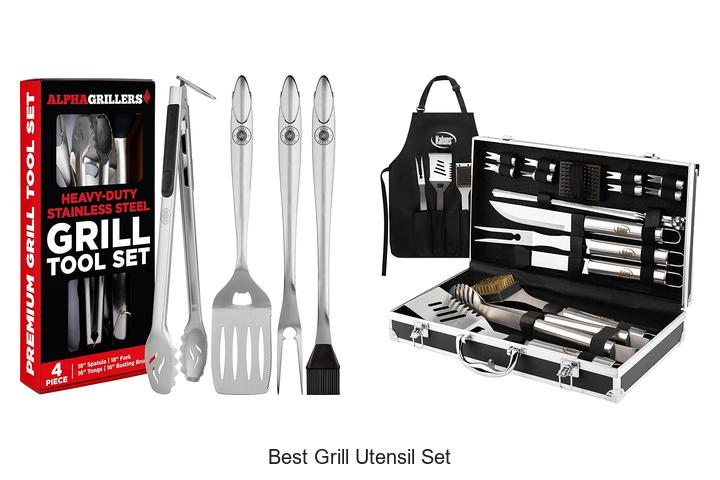
After each use, make sure to scrape the grates with a wire brush to remove stuck-on food. Empty the grease tray frequently to prevent flare-ups and corrosion.
Every few months, deep clean the grill by removing grates and burners, scrubbing them with warm, soapy water, and rinsing thoroughly.
Don’t forget to clean the inside of the lid and the grill’s interior to avoid grease fires and rust.
Keeping your grill clean not only improves cooking performance but also prevents premature wear.
With consistent cleaning, you’ll extend your grill’s lifespan and enjoy safer, better-tasting meals for years.
Why Checking Gas Connections Is Key for Safety and Durability
When you regularly check your gas connections, you prevent leaks that could lead to dangerous accidents or damage your grill. You should inspect hoses, fittings, and valves for cracks, wear, or looseness.
Even a small leak can cause gas buildup, increasing fire risk. Use a soapy water solution to spot bubbles indicating leaks quickly.
Tightening loose connections and replacing worn parts keeps your grill running safely and efficiently. Plus, well-maintained connections reduce strain on your grill’s components, extending its lifespan.
Neglecting this simple step can lead to costly repairs or early replacement. Make it a habit before every grilling session to ensure you enjoy safe, reliable cooking for years to come.
When to Inspect and Replace Grill Burners
Although grill burners are built to last, you should inspect them regularly to guarantee peak performance and safety. Over time, burners can clog, rust, or develop holes that affect heat distribution and increase fire risks.
Pay attention to these signs when deciding to inspect or replace your burners:
- Uneven flame patterns, like yellow or flickering flames instead of steady blue ones.
- Visible rust, cracks, or holes on the burner tubes.
- Persistent difficulty lighting the grill or inconsistent heat output.
If you notice any of these issues, clean the burners thoroughly first. Replace them if problems persist, as worn burners can compromise cooking quality and safety.
Regular checks help your grill last longer and perform better every grilling season.
Protecting Your Gas Grill From Weather Damage
To keep your gas grill in top shape, you need to shield it from harsh weather conditions that can cause rust, corrosion, and damage to its components. Always use a high-quality, weather-resistant cover when your grill isn’t in use. Make sure the cover fits snugly to prevent moisture and debris from getting inside.
If possible, position your grill under a sheltered area like a patio or awning to reduce direct exposure to sun, rain, and snow. During extreme weather, consider moving your grill indoors or to a garage.
Avoid leaving your grill outside for extended periods without protection, as UV rays and moisture accelerate wear. Regularly check and clean your grill after bad weather to remove any buildup that could harm its performance or lifespan.
Preventing Rust and Corrosion on Your Gas Grill
Since rust and corrosion can quickly degrade your gas grill’s performance and appearance, it’s important to take proactive steps to prevent them. Regular cleaning and proper storage play essential roles in keeping your grill rust-free. Here’s how you can protect your investment:
- Clean after each use: Remove grease and food residue with a grill brush and warm soapy water. Then dry thoroughly to avoid moisture buildup.
- Apply a protective coating: Use a high-quality grill-safe spray or oil on metal parts to create a barrier against moisture and oxygen.
- Store your grill properly: Keep it covered with a waterproof grill cover and, if possible, store it in a dry, sheltered area during harsh weather. This minimizes exposure to humidity and rain.
Following these steps helps extend your grill’s lifespan by preventing rust and corrosion.
How Usage Frequency Affects Gas Grill Longevity
How often you use your gas grill directly impacts its lifespan. If you fire it up frequently, the components experience more wear and tear, which can shorten its overall durability. On the other hand, occasional use means less stress on parts, potentially extending its life.
However, even if you don’t grill often, neglecting regular maintenance can still lead to issues. Consistent cleaning after each use and checking for gas leaks help keep your grill in top shape regardless of how often you use it.
When to Replace Parts or Buy a New Gas Grill
Deciding whether to replace parts or buy a new gas grill depends largely on the condition of key components and your budget. If you notice wear on critical parts, replacing them can extend your grill’s life without breaking the bank.
However, when repairs become frequent or costly, investing in a new grill might be smarter.
Consider these factors:
- Burners: If they’re rusted or unevenly heating, replacement could restore performance.
- Ignition system: Frequent failures here can be frustrating and pricey to fix repeatedly.
- Grill body: Significant rust or structural damage means safety and durability are compromised.
Weigh these carefully to decide if part replacement offers value or if it’s time to upgrade your gas grill altogether.
Signs Your Gas Grill Is Nearing the End of Its Life
Even if you’ve replaced parts before, your gas grill won’t last forever. You’ll notice signs that it’s nearing the end of its life. For instance, uneven heating or persistent flare-ups can signal burner deterioration.
Rust spreading across the grill body, especially in critical areas like the firebox, weakens its structure. If knobs become sticky or unresponsive, it might indicate internal damage.
Also, frequent gas leaks or a failing ignition system are red flags. When cleaning becomes a challenge because grime sticks stubbornly, it’s a sign the grill’s surfaces are degrading.
Ignoring these signs can lead to safety risks and poor cooking performance. Recognizing these warning signals helps you decide when it’s time to retire your grill before problems worsen.
Investing in Quality Gas Grill Parts for Better Durability
When you start noticing signs of wear on your gas grill, replacing parts with quality components can extend its life considerably. Choosing durable replacements means you won’t have to upgrade your entire grill prematurely. Focus on parts that handle heat, moisture, and frequent use best.
Here are three key parts to invest in:
- Stainless steel burners: Resistant to rust and corrosion, they maintain consistent heat longer.
- Heavy-duty cooking grates: Cast iron or porcelain-coated grates provide even cooking and resist chipping.
- High-quality ignition systems: Reliable igniters reduce the risk of flame-out and make starting your grill hassle-free.
Maintenance Habits to Keep Your Gas Grill Cooking Strong
Although quality parts are essential, maintaining your gas grill regularly is what truly keeps it cooking strong.
Start by cleaning the grates after every use to prevent buildup that can cause flare-ups and uneven heating.
Check and clean burners monthly to ensure proper flame distribution.
Don’t forget to inspect the gas hoses for cracks or leaks before lighting up.
Empty the grease tray regularly to avoid dangerous grease fires.
Cover your grill when it’s not in use to protect it from the elements and rust.
At least once a season, give your grill a deep clean, including the interior and burner tubes.
Frequently Asked Questions
What Is the Best Type of Gas to Use for Grilling?
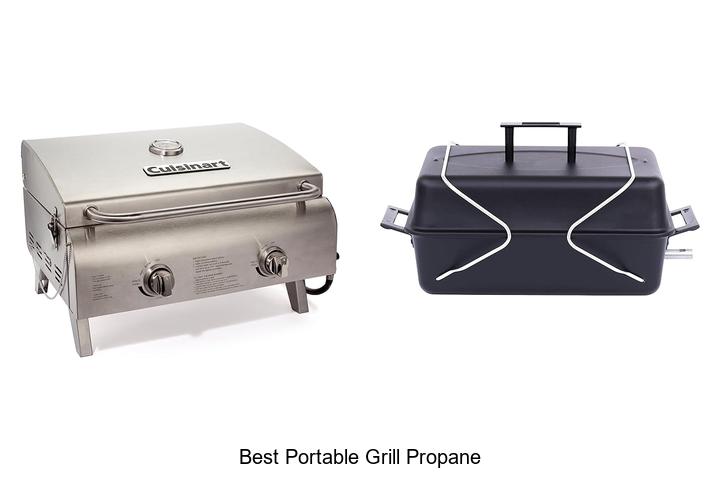
You should use propane for grilling because it heats quickly and burns cleanly, giving you consistent temperature control. Natural gas is convenient if you have a line, but propane’s portability makes it the best choice overall.
Can I Use a Gas Grill Indoors Safely?
You shouldn’t use a gas grill indoors because it produces carbon monoxide, which is dangerous in enclosed spaces. Always grill outside in a well-ventilated area to stay safe and avoid any health risks.
How Do I Choose the Right Size Gas Grill for My Needs?
You should choose a gas grill size based on how many people you usually cook for and your available space. Don’t forget to take into account cooking area, burner power, and portability to match your grilling style perfectly.
Are Propane and Natural Gas Grills Equally Durable?
Propane and natural gas grills are equally durable if you maintain them well. You’ll notice differences mostly in convenience and fuel cost, not in how long they last or how sturdy their construction is.
What Accessories Improve Gas Grill Performance?
You’ll boost your gas grill’s performance with accessories like a grill thermometer, cast iron grates, rotisserie kits, smoker boxes, and heat deflectors. These help you control temperature, cook evenly, and add smoky flavors effortlessly.
Conclusion
With proper maintenance, your gas grill can easily last 10 to 15 years or more. By regularly cleaning, checking gas connections, and inspecting burners, you’ll keep it safe and cooking strong. Replace worn parts promptly to avoid bigger issues, and invest in quality components for better durability. Stick to good maintenance habits, and your grill will reward you with years of delicious meals and reliable performance. Don’t wait—start caring for your grill today!