How You Grill Chuck Roast Perfectly Every Time
To grill chuck roast perfectly every time, choose a well-marbled chuck eye or center-cut roast about 2-3 inches thick. Season it generously with salt, pepper, and spices, then let it rest. Preheat your grill to high, then cook the roast over indirect heat at 225-250°F for 2-3 hours until it reaches 195-205°F. Let it rest before slicing against the grain for maximum tenderness. Keep going, and you’ll uncover tips for flavor boosts and serving ideas.
Choose the Best Chuck Roast Cut for Grilling
Although chuck roast is known for its rich flavor and tenderness when cooked right, not all cuts are equally suited for grilling. You want to pick a chuck roast with good marbling—those streaks of fat keep the meat juicy and add flavor during grilling.
Look for cuts labeled “chuck eye” or “center-cut chuck roast,” as they’re more tender and grill-friendly. Avoid tougher portions like the shoulder clod or cuts with excessive connective tissue since they require slow cooking to break down.
When selecting your roast, opt for a piece that’s about 2 to 3 inches thick; this guarantees even cooking without drying out. Choosing the right cut sets you up for grilling success, making your chuck roast both flavorful and tender.
How to Season Chuck Roast for Maximum Flavor
Once you’ve selected the perfect chuck roast cut, the next step is to enhance its natural flavors through seasoning.
Start by patting the roast dry with paper towels to help the seasoning stick. Then, generously coat it with kosher salt and freshly ground black pepper, ensuring you cover all sides.
For deeper flavor, add garlic powder, onion powder, and smoked paprika. You can also rub in a bit of brown sugar to balance savory with subtle sweetness.
Don’t forget to press the spices into the meat rather than just sprinkling them on. For an extra boost, let the seasoned roast rest in the fridge for at least an hour or overnight.
This helps the flavors penetrate deeply, giving your grilled chuck roast a rich, mouthwatering taste every time.
Preparing Your Grill for Chuck Roast
Three key steps will guarantee your grill is ready for the perfect chuck roast.
First, clean your grill grates thoroughly to prevent sticking and flare-ups. Use a stiff wire brush to remove any leftover residue.
Next, preheat your grill to high heat for about 10-15 minutes. This confirms the grates are hot enough to sear the roast properly, locking in juices.
Finally, oil the grates lightly using a paper towel dipped in vegetable oil, held with tongs. This creates a non-stick surface and enhances grill marks.
Avoid adding charcoal or adjusting heat zones here—that comes next. By following these steps, you set a solid foundation for grilling your chuck roast evenly and deliciously every time.
Set Up Two-Zone Heat for Chuck Roast
Setting up two-zone heat on your grill creates the perfect environment for cooking chuck roast evenly while preventing flare-ups.
Start by lighting one side of your grill to medium-high heat, leaving the other side unlit for indirect cooking. This setup allows you to sear the roast over direct heat, locking in juices and flavor, then move it to the cooler side to cook slowly without burning.
If you’re using a charcoal grill, bank the coals on one side. For gas grills, turn on burners on just one side.
Keep the lid closed as much as possible to maintain consistent temperatures. This method gives you control, letting you manage flare-ups and cook your chuck roast to tender perfection every time.
How Long to Grill Chuck Roast
Grilling a chuck roast typically takes between 2 to 3 hours, depending on its size and the grill temperature. For a 3 to 4-pound roast, plan on about 2.5 hours at a steady 225-250°F.
Larger cuts or cooler grill temps will extend the cooking time. Use a meat thermometer to check doneness; aim for an internal temperature of 195-205°F for tender, pull-apart meat.
Keep the roast on the indirect heat side to avoid flare-ups and guarantee even cooking. Resist the urge to rush; low and slow is key for chuck roast.
When and How to Flip Your Chuck Roast?
Although flipping your chuck roast isn’t required as often as with thinner cuts, knowing when and how to do it can make a big difference in even cooking and flavor development.
You want to flip the roast about halfway through the grilling time, ensuring both sides get equal exposure to the heat. Use sturdy tongs or a spatula to turn it gently, avoiding piercing the meat and losing juices.
Resist the urge to flip too frequently; each flip disrupts the cooking process and can prevent a nice crust from forming. Instead, flip once or twice, depending on the size of the roast.
This approach helps you achieve a beautifully browned exterior and a tender, evenly cooked interior every time.
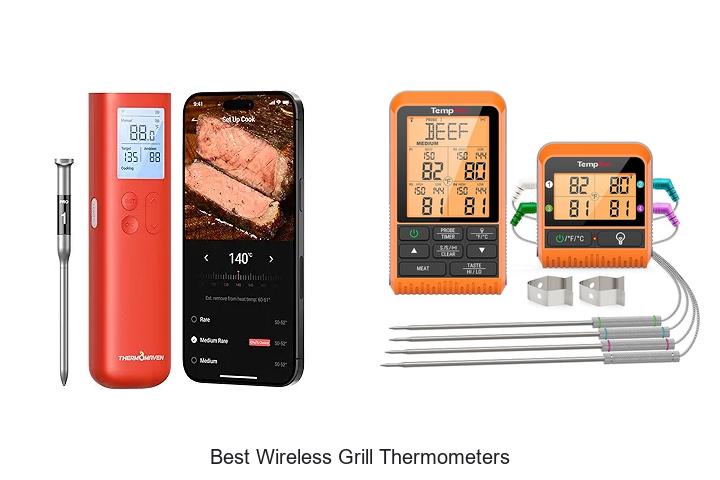
How to Use a Meat Thermometer for Chuck Roast
Once you’ve flipped your chuck roast properly, the next step is to monitor its internal temperature to guarantee perfect doneness.
Insert your meat thermometer into the thickest part of the roast, avoiding any bones or fat pockets for an accurate reading. Keep the probe steady and check the temperature frequently but don’t open the grill too often to maintain heat.
Aim for 135°F for medium-rare, 145°F for medium, or 160°F for well done. Once the roast hits your desired temperature, remove it from the grill promptly.
Let the meat rest for at least 10 minutes; the temperature will rise slightly, and juices will redistribute, ensuring a juicy, tender bite every time.
Using a thermometer takes the guesswork out of grilling.
How to Add Smoke Flavor When Grilling Chuck Roast
Adding smoke flavor can elevate your chuck roast by infusing it with rich, savory notes that deepen its taste.
To do this, start by selecting quality wood chips—hickory, oak, or mesquite work well. Soak the chips in water for about 30 minutes to prevent them from burning too quickly.
When your grill is hot and ready, drain the chips and place them directly on the coals or in a smoker box over gas burners. Keep the grill lid closed to trap the smoke, allowing it to surround the meat.
Maintain a low, steady temperature between 225°F and 250°F to let the smoke penetrate without drying out your roast. This method guarantees your chuck roast picks up that signature smoky flavor.
Resting Your Chuck Roast for Juiciness
To lock in the juices and enhance the tenderness of your chuck roast, you need to let it rest after grilling.
Once you remove the roast from the grill, transfer it to a cutting board and tent it loosely with aluminum foil. This resting period, usually 10 to 15 minutes, allows the meat’s internal juices to redistribute evenly instead of spilling out when you cut into it right away.
If you slice too soon, those flavorful juices will escape, leaving your roast dry. During resting, the roast also continues to cook slightly from residual heat, helping achieve perfect doneness.
Tips for Slicing Chuck Roast Perfectly
Although resting your chuck roast is essential, how you slice it makes a big difference in texture and flavor. Always identify the grain—the direction of the muscle fibers—before cutting.
Slice against the grain to break up those fibers, making each bite tender and easier to chew. Use a sharp carving knife to guarantee clean cuts without tearing the meat. Cut the roast into thin slices, about a quarter-inch thick, to maximize tenderness.
If you want smaller portions, cut the slices into bite-sized pieces, still maintaining the against-the-grain direction. Avoid sawing motions; instead, use smooth, deliberate strokes to preserve the roast’s juices.
Following these tips will help you serve a perfectly tender chuck roast every time.
Top 5 Mistakes That Ruin Your Chuck Roast
Mastering the perfect slice is just one part of preparing a great chuck roast.
Avoid these top five mistakes that can ruin your roast.
First, don’t skip seasoning—under-seasoned meat tastes bland.
Second, don’t grill it over high heat; chuck roast needs low and slow to break down tough fibers.
Third, don’t neglect resting the meat after grilling; cutting too soon causes juices to escape, leaving it dry.
Fourth, avoid flipping the roast too often; give it time to develop a flavorful crust.
Finally, don’t ignore internal temperature—overcooking makes it tough, while undercooking leaves it chewy.
Stick to these tips, and your chuck roast will come out tender, juicy, and full of flavor every time.
Best Side Dishes to Pair With Grilled Chuck Roast
What side dishes complement the rich, hearty flavors of a grilled chuck roast best? You’ll want sides that balance and enhance its robust taste.
Creamy mashed potatoes work perfectly, offering a smooth contrast to the meat’s texture. Roasted vegetables like carrots, Brussels sprouts, or asparagus add a bit of sweetness and crunch.
A fresh green salad with a tangy vinaigrette cuts through the richness, revitalizing your palate. Don’t forget about crusty bread or garlic rolls to soak up those flavorful juices.
For a heartier meal, consider grilled corn on the cob or baked beans, which bring smoky, sweet, and savory notes. These sides guarantee every bite of your grilled chuck roast feels complete and satisfying.
Frequently Asked Questions
Can Chuck Roast Be Grilled Using an Electric Grill?
Yes, you can grill chuck roast on an electric grill. Just make sure to use indirect heat, keep the temperature low, and cook it slowly to break down the tough fibers and get tender, juicy results every time.
Is Marinating Chuck Roast Necessary Before Grilling?
You don’t have to marinate chuck roast before grilling, but it helps tenderize and add flavor. If you’re short on time, seasoning works too, but marinating enhances juiciness and depth in every bite.
How Do Altitude and Weather Affect Grilling Chuck Roast?
You might think altitude won’t matter, but it does—higher altitudes lower air pressure, slowing cooking. Wind and cold temps can also drop grill heat. You’ll want to adjust cook times and monitor temps carefully for juicy results.
What Is the Best Wood for Smoking Chuck Roast?
You’ll want to use hickory or oak wood for smoking chuck roast because they provide a strong, smoky flavor that complements the beef. Mesquite works too, but it’s more intense, so use it sparingly.
Can Chuck Roast Be Cooked on a Charcoal vs. Gas Grill?
You can cook chuck roast on charcoal or gas grill, like choosing between a violin and piano—both create rich flavors but charcoal adds smokiness while gas offers control and convenience. You’ll enjoy great results either way.
Conclusion
Grilling chuck roast perfectly every time isn’t rocket science—you just need the right cut, seasoning, and grill setup. Remember to use two-zone heat and give your roast time to rest for juicy results. Slice it carefully, avoid common mistakes, and pair it with tasty sides for a meal worthy of a medieval feast. Follow these steps, and you’ll turn a humble chuck roast into a backyard legend every single time.