How Does a Meat Grinder Work Step by Step
You start by cutting chilled meat into small chunks and placing them in the hopper. When you switch on the grinder, the auger pushes the meat toward sharp blades that slice it. Then, the meat passes through a perforated plate, which decides the final texture. This process guarantees even grinding and mixing of fat and lean pieces. If you want to master every step and avoid common pitfalls, there’s plenty more to explore about meat grinders.
What Is a Meat Grinder and How It Works
A meat grinder is a kitchen tool that breaks down chunks of meat into smaller, manageable pieces.
When you use one, you feed meat into the hopper at the top. Inside, an auger (a spiral blade) pushes the meat forward toward the cutting blades. These blades slice the meat before it passes through a perforated metal plate. The size of the holes in this plate determines the texture of the ground meat.
As you turn the handle or switch on the electric motor, the grinder forces the meat through the blades and plate, creating uniform pieces ready for cooking. This process guarantees consistent texture and mixes fat and lean meat efficiently, improving flavor and cooking results.
How to Prepare Meat for Grinding in a Meat Grinder
Before grinding meat, you’ll want to prepare it properly to make certain the best texture and flavor. Start by selecting fresh, quality cuts with a good fat-to-lean ratio, ideally around 80/20. Trim away any tough sinew, silver skin, or excess fat to prevent clogging your grinder and make certain a smooth grind.
Cut the meat into small, uniform chunks about 1 to 2 inches in size. This helps the grinder work efficiently and evenly. Chill the meat in the freezer for about 30 minutes before grinding—cold meat grinds better and stays firm, preventing smearing.
Also, chill your grinder parts if possible. Proper preparation makes certain your ground meat is consistent, juicy, and perfect for recipes like burgers, sausages, or meatballs.
What Parts Make Up a Meat Grinder
Understanding the key parts of a meat grinder helps you operate and maintain it more effectively.
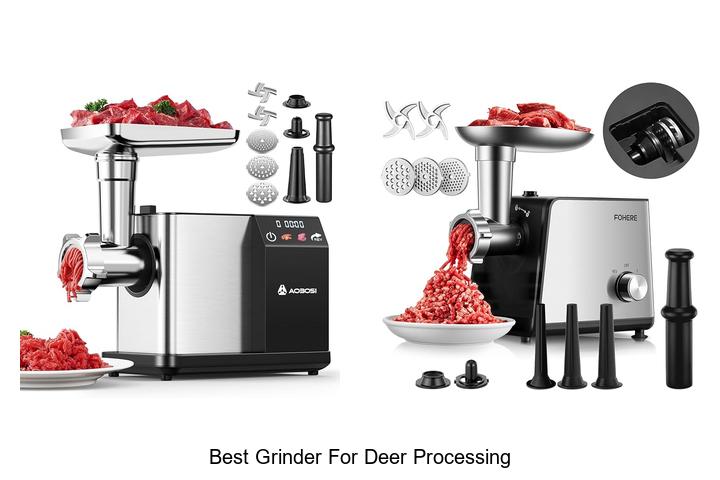
The main components include the hopper, where you place the meat before grinding. From there, the meat moves into the feed screw, which pushes it forward. Next, the cutting blade slices the meat, working closely with the grinding plate that determines the final texture.
You’ll also find a retaining ring that holds the grinding plate and blade securely in place. Don’t forget the handle or motor, depending on whether your grinder is manual or electric.
Each part works together to guarantee smooth, efficient grinding, so knowing them helps you spot issues quickly and clean the grinder thoroughly after use.
How to Assemble Your Meat Grinder Correctly
Knowing the main parts of your meat grinder makes assembling it much simpler. Start by attaching the grinding plate to the front of the grinder body.
Next, slide the cutting blade onto the shaft, making sure the sharp edges face outward. Then, position the auger inside the grinder housing, pushing it all the way in until it’s secure.
After that, place the grinder head with the attached parts onto the main body, aligning the locking mechanism. Tighten the retaining ring firmly to hold everything in place but avoid over-tightening.
Finally, attach the feeding tray on top. Double-check each component is secure and correctly aligned before use. Proper assembly guarantees smooth operation and prevents damage to your meat grinder.
How to Use the Auger in Your Meat Grinder
While the auger might seem like just another part of your meat grinder, it plays an essential role in moving meat efficiently through the machine.
Once your grinder is assembled, feed chunks of meat into the hopper at the top. The auger, powered by the grinder’s motor or hand crank, pulls the meat down through the feeding tube. It pushes the meat steadily toward the grinding plate.
You should avoid overloading the hopper; instead, work in manageable batches to prevent the auger from jamming. If you notice resistance or meat backing up, pause and clear any blockage.
Using the auger properly guarantees a smooth flow that maximizes grinding efficiency and prevents damage to your machine.
How the Blades Cut Meat in the Meat Grinder
Once the auger pushes the meat toward the grinding plate, the blades take over by slicing it into smaller pieces.
You’ll notice that these blades spin rapidly, cutting through the meat with sharp, precise edges. Here’s how they work:
- Rotation: The blades rotate around a central axis, powered by the motor or manual crank, ensuring consistent cutting speed.
- Sharpness: Their sharp edges slice through meat fibers cleanly, preventing tearing or crushing.
- Positioning: They sit just in front of the grinding plate, so each piece is cut to the right size before being forced through the holes.
How the Grinding Plate Affects Meat Texture
Because the grinding plate determines the size of the meat particles, it plays an essential role in shaping the texture of your ground meat.
When you choose a plate with larger holes, you’ll get coarser, chunkier meat that’s perfect for dishes like chili or stew. Smaller holes produce finer, smoother textures ideal for sausages or burger patties.
The plate’s hole size also affects how well the meat binds together; finer grinds tend to stick better, giving you a more uniform consistency.
Additionally, the plate material and sharpness impact the cut’s cleanliness, influencing the final texture.
How Ground Meat Exits the Meat Grinder
The grinding plate shapes the meat into the texture you want, but it’s the exit point where the ground meat finally leaves the grinder. As the meat is forced through the holes of the grinding plate, it comes out in strands or small pieces, depending on the plate’s hole size.
Here’s what happens next:
- The ground meat is pushed out steadily, maintaining the texture formed by the plate.
- It falls into a container or bowl placed beneath the grinder’s exit, ready for collection.
- You’ll notice the meat’s temperature rises slightly from the friction, so it’s best to work quickly to keep it fresh.
Understanding this exit process helps you handle the ground meat efficiently and prepare it for your recipe.
Adjusting Grind Size on Your Meat Grinder for Different Recipes
Although it might seem simple, adjusting the grind size on your meat grinder can dramatically change the texture and outcome of your dishes.
To get started, choose the grinding plate with the hole size that matches your recipe’s needs—coarse for chili or stew, medium for burgers, and fine for sausages or pâtés.
Swap out the plate by unscrewing the retaining ring, replacing the plate, and securing it back. Remember, the blade must sit flush against the plate to guarantee smooth grinding.
Adjusting grind size also influences cooking time and how well seasonings blend. Experiment with different settings to find the perfect texture.
With the right grind size, your dishes will have the ideal consistency and flavor every time.
Manual vs Electric Meat Grinders: Which One’s Right for You?
Wondering whether to go manual or electric for your meat grinding needs? Choosing the right grinder depends on your cooking habits and preferences. Here’s what to evaluate:
1. Effort & Speed: Manual grinders require physical effort, ideal if you grind occasionally or small amounts.
Electric models handle larger batches quickly with minimal strain.
2. Control & Precision: Manual grinders give you more control over speed and texture, perfect for precise recipes.
Electric grinders work uniformly but may lack fine-tuned control.
3. Portability & Space: Manual grinders are compact, don’t need power, and are easy to store.
Electric grinders need an outlet and usually take up more counter space.
Assess your frequency of use, batch size, and available space to decide which grinder suits you best.
How to Keep Your Meat Grinder Clean and Safe
Once you decide between manual and electric grinders, keeping your equipment clean and safe becomes a top priority.
After each use, disassemble your meat grinder completely to wash all parts thoroughly with warm, soapy water. Use a brush to remove any meat residue stuck in hard-to-reach areas. Avoid soaking wooden components to prevent damage.
Dry every piece carefully to stop rust from forming. For electric models, make certain the motor housing never gets wet.
Store your grinder in a dry place and lightly oil metal parts to maintain them. Regular cleaning prevents bacterial growth and keeps your grinder working efficiently.
Fixing Common Meat Grinder Problems
Many meat grinder issues stem from common, easily fixable problems like jams, dull blades, or improper assembly.
To get your grinder back in shape, follow these steps:
- Clear Jams: Turn off and unplug the grinder. Disassemble the parts and remove any stuck meat or sinew carefully to avoid damage.
- Sharpen or Replace Blades: If grinding slows or produces uneven results, dull blades are often the cause. Sharpen them using a whetstone or replace with new ones.
- Check Assembly: Make sure all components fit snugly and in the correct order. Loose or misaligned parts can cause the grinder to malfunction.
Choosing the Right Meat Grinder for Your Needs
After fixing common issues like jams or dull blades, you might consider whether your current meat grinder fits your needs.
First, think about how often you’ll use it. For occasional use, a manual or small electric grinder may suffice. If you grind meat regularly or in large quantities, invest in a powerful electric model with a robust motor.
Also, consider the grinder’s size and capacity to match your typical batch size. Look for durable materials like stainless steel for longevity and easy cleaning.
Additional features like multiple grinding plates and sausage attachments can add versatility.
Finally, factor in your budget—higher-end models offer efficiency and ease but come at a higher cost. Choose a grinder that balances performance, durability, and your specific cooking demands.
Frequently Asked Questions
Can I Grind Other Foods Besides Meat in a Meat Grinder?
Yes, you can grind other foods like vegetables, nuts, and fruits in a meat grinder. Just make sure to clean it thoroughly between uses to avoid flavor mixing and check if your grinder handles non-meat items safely.
What Types of Meat Are Best for Grinding?
When it comes to grinding meat, you can’t beat beef chuck, pork shoulder, or lamb leg—they’re like the dream team for flavor and fat balance. You’ll get juicy, tasty results every time you grind these cuts.
How Do I Store Ground Meat After Grinding?
You should store ground meat in an airtight container or heavy-duty freezer bag. Refrigerate if using within 1-2 days, or freeze for longer storage. Label with date to keep it fresh and safe.
Can Meat Grinders Be Used for Making Sausages?
Yes, you can use meat grinders for making sausages—they often come with attachments specifically for stuffing casings. You’ll love how easily you can stuff sausages at home, customizing flavors and textures to your taste.
What Safety Precautions Should I Take While Grinding Meat?
You should always keep your fingers away from the feed tube, use the provided pusher, unplug the grinder before cleaning, and guarantee all parts are securely assembled. Wearing gloves can also help protect your hands.
Conclusion
Now that you know how a meat grinder works, you’re ready to turn raw cuts into delicious ground meat with ease. Whether you’re twisting the handle on a classic manual grinder or pressing a button on a modern electric one, remember that preparation and assembly are key. Keep it clean, fix issues promptly, and choose the right model for your kitchen. Just like a knight with his trusty sword, your grinder will be your culinary champion!