How to Grill a Chuck Roast Perfectly Every Time
To grill a chuck roast perfectly every time, pick a well-marbled “chuck eye” or “shoulder clod” roast around 3-4 pounds. Season it generously with salt, pepper, and spices, then let it rest. Set your grill for indirect heat at 225°F-250°F, sear the roast first over high heat, then move it to the cooler side for slow cooking. Maintaining steady low heat breaks down toughness, ensuring juicy, tender meat. Keep following along to master every step and detail.
Choosing the Best Chuck Roast Cut for Grilling
Although chuck roast is known for its rich flavor, not all cuts grill equally well. You want to pick a chuck roast with good marbling—that intramuscular fat melts during cooking, keeping the meat juicy and tender.
Look for cuts labeled “chuck eye” or “shoulder clod,” as these have a balance of fat and muscle perfect for grilling. Avoid overly thick or uneven pieces; they cook unevenly.
When shopping, choose a roast that’s about 3 to 4 pounds—it’s manageable on the grill and allows for even heat exposure. Freshness matters, too, so pick a roast with a bright red color and firm texture.
Preparing Your Grill for Indirect Cooking
Once you’ve selected the perfect chuck roast, it’s time to set up your grill for indirect cooking.
Start by cleaning your grill grates thoroughly to prevent sticking. Next, arrange your coals or burners so the heat is on one side only, leaving the other side cooler—this is your indirect heat zone.
If you’re using a gas grill, turn on only half the burners. For charcoal, pile the coals on one side. Place a drip pan under the grill grate on the cooler side to catch fat drippings and avoid flare-ups.
Finally, preheat the grill with the lid closed for about 10-15 minutes to stabilize the temperature. This setup guarantees your chuck roast cooks evenly without burning, allowing it to become tender and flavorful.
What’s the Best Temperature for Slow Grilling?
How do you know the best temperature for slow grilling your chuck roast? Aim for a steady low heat between 225°F and 250°F.
This range allows the tough connective tissues in the chuck roast to break down slowly, resulting in tender, juicy meat. Maintaining this temperature prevents the roast from drying out or cooking unevenly.
Use a reliable grill thermometer to monitor the heat constantly, adjusting vents or fuel as needed. Slow grilling at this temperature also helps develop a flavorful crust without burning.
Avoid higher temperatures that cook the roast too quickly and risk toughness. Patience is key—keeping your grill steady around 225°F to 250°F guarantees your chuck roast turns out perfectly tender every time.
How to Season Your Chuck Roast for Big Flavor
Before you fire up the grill, you need to season your chuck roast properly to release its full flavor potential. Start by patting the roast dry to help the seasoning stick better.
Generously coat it with kosher salt and freshly ground black pepper—these basics enhance the meat’s natural taste. Then, add garlic powder, onion powder, and smoked paprika for depth and a hint of smokiness. Don’t forget a touch of brown sugar to balance the spices with subtle sweetness.
Rub the seasoning evenly over all sides, pressing it in so it adheres well. For best results, let the roast rest refrigerated for at least an hour, or overnight if you can. This allows the flavors to penetrate deeply, ensuring every bite is packed with savory goodness.
When and How to Sear Chuck Roast for a Perfect Crust
Although searing might seem like an extra step, it’s essential for locking in juices and creating a flavorful crust on your chuck roast. You want to sear right after seasoning and before indirect grilling.
Heat your grill or a heavy skillet over high heat until it’s smoking hot. Lightly oil the roast to prevent sticking, then place it on the hot surface. Sear each side for about 3-4 minutes until a rich, brown crust forms.
Don’t move the roast around too much—let the heat work its magic. This crust not only adds texture but also enhances the roast’s deep, savory flavor.
Once seared, move the chuck roast to a cooler part of the grill to finish cooking slowly.
Using a Meat Thermometer to Check Doneness
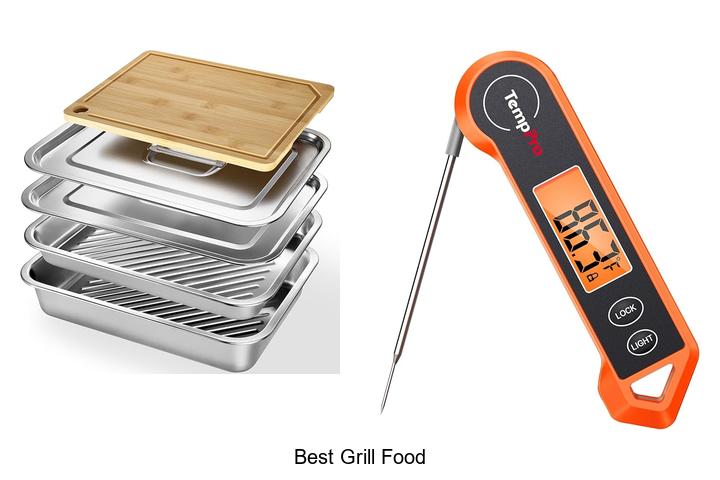
A meat thermometer is your best tool for guaranteeing your chuck roast reaches the perfect level of doneness without guesswork.
Insert the thermometer into the thickest part of the roast, avoiding bone or fat, to get an accurate reading. Aim for these internal temperatures depending on your preference:
- Medium rare: 130–135°F (54–57°C) for a juicy, tender roast
- Medium: 140–145°F (60–63°C) for a firmer texture
- Well done: 160°F (71°C) and above if you prefer it fully cooked
Check the temperature regularly as you grill, especially after searing.
This helps prevent overcooking and guarantees your chuck roast comes off the grill just right every time.
Resting Your Chuck Roast for Maximum Juiciness
Once your chuck roast reaches the desired temperature, let it rest for at least 15 minutes to lock in the juices.
Resting allows the muscle fibers to relax and reabsorb moisture, preventing all those flavorful juices from spilling out when you cut into the meat.
Cover the roast loosely with foil to keep it warm without trapping steam, which can make the outer crust soggy.
Avoid skipping this step, even if you’re keen to eat—resting is key to a tender, juicy bite every time.
Use this time to prepare your sides or set the table.
How to Carve Chuck Roast Like a Pro
Before you start carving, make certain your chuck roast has rested properly to keep the juices locked in.
When you’re ready, use a sharp carving knife to slice with confidence. Here’s how to carve like a pro:
- Identify the grain: Look closely at the roast’s muscle fibers to find the direction of the grain.
- Slice against the grain: Cut perpendicular to the grain to ensure each slice is tender and easy to chew.
- Keep slices even: Aim for consistent thickness, about ¼ inch, for uniform cooking and presentation.
Taking these steps guarantees flavorful, tender slices every time.
Common Chuck Roast Grilling Mistakes
Carving your chuck roast perfectly sets the stage, but grilling it correctly is just as important to get great results.
One common mistake is grilling at too high a temperature; chuck roast needs low, slow heat to break down tough connective tissue. Don’t rush it.
Also, avoid flipping the roast too often—let it develop a good crust by flipping only once or twice.
Skipping the resting period after grilling is another error; cutting into it immediately causes juices to escape, making the meat dry.
Ultimately, don’t neglect seasoning; under-seasoning dulls the flavor, while over-seasoning can overpower it.
Keep these pitfalls in mind, and you’ll avoid common grilling errors that ruin an otherwise amazing chuck roast.
Adding Smoke Flavor to Chuck Roast
Adding smoke flavor to your chuck roast can elevate its taste and create a rich, mouthwatering experience. To infuse that smoky goodness, start by choosing the right wood chips or chunks. Different woods offer unique flavors that complement beef beautifully.
Here’s how to add smoke flavor effectively:
- Soak wood chips in water for 30 minutes to prevent quick burning and guarantee steady smoke.
- Use a smoker box or wrap soaked chips in foil with holes poked for controlled smoke release.
- Maintain a low and steady temperature around 225-250°F to allow smoke to penetrate the meat slowly.
Best Sides and Sauces for Chuck Roast
Pairing your grilled chuck roast with the right sides and sauces can truly enhance its rich, savory flavors. You’ll want sides that complement the meat’s hearty texture—think roasted garlic mashed potatoes, grilled asparagus, or a fresh arugula salad with a tangy vinaigrette.
These balance the roast’s richness without overpowering it. For sauces, a classic chimichurri or a robust red wine reduction adds bright, acidic notes that cut through the fattiness. You can also try a smoky barbecue sauce if you prefer a sweeter, bolder contrast.
Keep your sides simple and let the roast shine, but with these additions, you’ll elevate your meal to a satisfying, well-rounded experience every time you grill.
Frequently Asked Questions
Can I Grill a Chuck Roast Without a Grill Pan?
Yes, you can grill a chuck roast without a grill pan. Just use indirect heat on your grill, place the roast on the grates, and monitor the temperature closely for even cooking and great flavor.
How Long Can Leftover Grilled Chuck Roast Be Stored?
You can store leftover grilled chuck roast in the fridge for 3 to 4 days. Make sure to keep it in an airtight container to maintain freshness and prevent it from absorbing other odors.
Is Chuck Roast Suitable for Smoking Instead of Grilling?
Yes, you can smoke chuck roast instead of grilling. Smoking enhances its flavor and tenderness over low heat for several hours. Just make sure to maintain a steady temperature and use your favorite wood chips for the best results.
Can I Use a Gas Grill Instead of Charcoal for Chuck Roast?
You absolutely can use a gas grill for chuck roast, but don’t expect the same smoky depth as charcoal. Just manage heat carefully, use indirect grilling, and your roast will turn out tender and flavorful every time.
What Drinks Pair Best With Grilled Chuck Roast?
You’ll love pairing grilled chuck roast with bold red wines like Cabernet Sauvignon or Malbec. For beer, try a rich stout or porter. If you prefer non-alcoholic, go for a spiced iced tea or sparkling water with lemon.
Conclusion
Grilling a chuck roast perfectly takes patience and the right techniques. Imagine surprising your friends at a weekend barbecue with a tender, smoky roast that melts in their mouths—all thanks to slow indirect heat and a bold seasoning rub. By avoiding common mistakes and mastering searing, you’ll turn a tough cut into a juicy masterpiece every time. So fire up the grill, follow these tips, and impress everyone with your grilling skills!