How to Use a Pizza Stone on a Grill in 10 Easy Steps
To use a pizza stone on your grill, first pick the right size and material, like cordierite, for even heat. Preheat your grill with indirect heat, placing the stone on the cooler side, and wait 30 minutes for 500°F. Shape and top your pizza on a floured surface, then slide it onto the hot stone. Cook 10-15 minutes, checking for a golden crust and bubbly cheese. Remove carefully, let cool, then clean properly. Keep going to uncover tips for perfect grilling.
How to Choose the Right Pizza Stone for Your Grill
When choosing the right pizza stone for your grill, you’ll want to take into account its size, material, and heat retention. First, pick a stone that fits comfortably on your grill grates without overcrowding. Too large, and it won’t heat evenly; too small, and your pizza won’t cook properly.
Next, consider the material—cordierite stones handle high heat and resist cracking better than ceramic ones. Cast iron stones also work well but need seasoning.
Heat retention is crucial; thicker stones hold heat longer, ensuring a crispy crust. However, thicker stones take longer to preheat.
Balance these factors based on your grill type and cooking style. By selecting the right stone, you’ll set yourself up for perfectly cooked pizzas every time.
Get Your Grill Ready for the Pizza Stone
Before placing your pizza stone on the grill, you’ll want to clean and preheat your grill to guarantee even cooking. Start by removing any leftover food debris or grease from the grates to prevent smoke and flare-ups.
Next, set your grill for indirect heat by turning on burners on one side only, leaving the other side off. This setup helps maintain a consistent temperature for your pizza stone without burning your crust.
Place your pizza stone on the unlit side of the grill, allowing it to heat gradually and evenly. Close the lid and preheat the grill to about 500°F (260°C), giving the stone at least 30 minutes to reach the ideal cooking temperature.
This prep ensures a crispy, evenly cooked pizza crust.
How to Stretch and Prepare Pizza Dough for Grilling
Once your pizza stone is preheated and ready on the grill, it’s time to focus on shaping your dough. Start by lightly flouring your work surface and hands to prevent sticking.
Gently press the dough ball into a flat disk, then stretch it out using your fingertips or knuckles, rotating as you go to maintain an even thickness. Avoid using a rolling pin since it can push out the air bubbles that give your crust its texture.
Aim for a roughly 12-inch diameter, but keep the edges slightly thicker to form a crust.
Once stretched, transfer the dough onto a floured pizza peel or a piece of parchment paper to make moving it onto the hot pizza stone easier without tearing or sticking.
How to Preheat the Pizza Stone on Your Grill
Although it takes some patience, preheating your pizza stone on the grill is essential for achieving a perfectly crispy crust. Place the stone on the grill grates before turning on the heat to prevent cracking.
Set your grill to medium-high and close the lid. Let the stone heat gradually for at least 30 minutes; this guarantees even heat distribution.
Avoid placing cold dough on a cold stone—it will stick and cook unevenly.
Use an oven mitt or heat-resistant gloves when handling the stone, as it will be extremely hot.
Resist the urge to skip this step; a well-preheated stone mimics a pizza oven’s intense heat, giving your crust that ideal crispy bottom and chewy inside.
Manage Grill Temperature for Your Pizza Stone
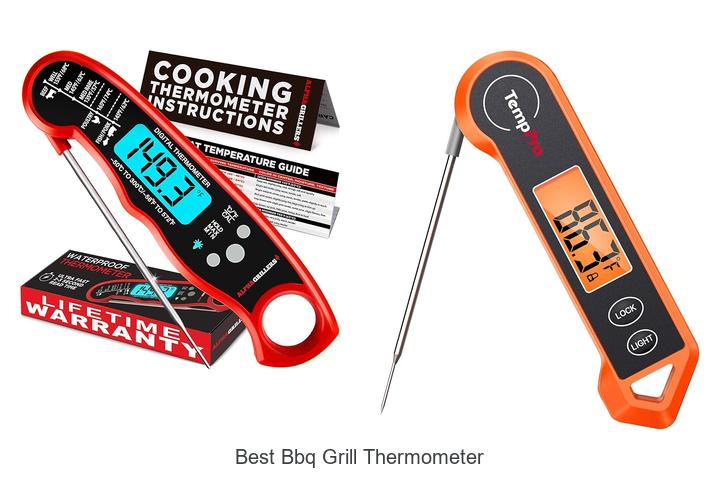
After preheating your pizza stone, maintaining the right grill temperature becomes key to baking your pizza perfectly. Aim for a consistent heat between 450°F and 500°F. Use the grill’s built-in thermometer to monitor the temperature closely.
If your grill doesn’t have one, an external grill thermometer will help you keep track. Adjust the grill vents or burners to control the heat—open vents increase temperature, while closing them lowers it.
Avoid lifting the lid frequently, as this causes heat loss and uneven cooking. Keep the heat steady to ensure your pizza stone stays hot enough to crisp the crust without burning it.
Managing the temperature well guarantees a delicious, evenly cooked pizza every time you grill.
How to Transfer Pizza Onto the Hot Stone Safely
When you’re ready to place your pizza onto the hot stone, handling it carefully is crucial to prevent burns or toppings sliding off.
Start by assembling your pizza on a floured pizza peel or a flat baking sheet. Make sure the peel is well-dusted with flour or cornmeal to reduce sticking. Before transferring, give the peel a quick shake to ensure the pizza moves freely.
Open the grill lid fully, then quickly and smoothly slide the pizza off the peel onto the hot stone by pulling the peel back while holding the pizza in place with your other hand. Avoid jerky movements that could cause toppings to fall.
Once the pizza’s on the stone, close the lid promptly to maintain heat. Always use oven mitts to protect your hands.
How Long to Cook Pizza on a Pizza Stone
Since pizza stones retain and distribute heat evenly, you’ll want to cook your pizza for about 10 to 15 minutes on a preheated grill. Make certain your grill is set to medium-high heat, around 450°F to 500°F, before placing the pizza on the stone.
Cooking time can vary depending on your dough thickness and toppings, so keep an eye on the clock. Avoid opening the grill too often, as it lets heat escape and can increase cooking time.
After about 10 minutes, start checking occasionally to ensure the crust cooks evenly and the cheese melts properly. This timing helps you achieve a crispy crust and perfectly cooked toppings without burning or undercooking your pizza on the stone.
How to Tell When Your Grilled Pizza Is Done
As your pizza cooks on the stone, you’ll want to keep an eye out for clear signs that it’s ready to come off the grill.
First, check the crust—it should be golden brown and crisp, especially on the edges. The cheese should be fully melted and bubbling, with some spots turning a light golden color.
Lift the pizza gently with a spatula or peel to peek underneath; the bottom should be evenly browned without any soggy spots.
Also, the toppings should look cooked through, not raw or overly wet.
If the crust feels firm when you press it lightly, that’s another good indicator.
These visual and tactile cues help you avoid undercooking or burning your pizza and guarantee a perfect grilled finish every time.
How to Remove and Serve Pizza Safely From the Stone
Although the pizza stone will be scorching hot, you’ll want to remove your pizza quickly and carefully to avoid burns and keep the crust intact. Use a sturdy pizza peel or large spatula to gently loosen the edges if the pizza sticks. When sliding the pizza off the stone, support it fully to prevent it from folding or breaking.
Follow these tips for safe removal and serving:
- Wear heat-resistant gloves or mitts
- Use a long-handled pizza peel for better control
- Slide the peel under the pizza slowly to avoid tearing
- Transfer the pizza onto a cutting board or plate
- Let it cool for a minute before slicing to keep toppings in place
This approach guarantees you serve your grilled pizza safely and perfectly every time.
How to Clean and Care for Your Pizza Stone After Use
Once you’ve safely removed and served your pizza, it’s important to properly clean and care for your pizza stone to keep it in good condition.
Let the stone cool completely before handling it to avoid cracks caused by sudden temperature changes.
Never use soap or detergent, as the stone is porous and will absorb these, affecting future flavors.
Instead, scrape off any stuck-on food with a plastic scraper or spatula.
For stubborn residue, dampen a cloth with warm water and gently wipe the surface.
Avoid soaking the stone or placing it in water, as this can weaken it.
After cleaning, let your stone air dry completely before storing it in a dry place.
Regular care will guarantee your pizza stone lasts for many delicious meals to come.
Frequently Asked Questions
Can I Use a Pizza Stone on a Gas Grill and a Charcoal Grill?
Yes, you can use a pizza stone on both gas and charcoal grills. Just preheat the stone gradually to avoid cracking, and manage the heat carefully to guarantee even cooking and a crispy, delicious crust every time.
What Types of Pizza Toppings Work Best on a Grill With a Stone?
You’ll want toppings that cook evenly and don’t release too much moisture. Think pepperoni, mushrooms, bell peppers, and onions. Avoid watery ingredients like fresh tomatoes or too much cheese that can make the crust soggy.
Is It Safe to Use a Pizza Stone on a Portable or Tailgate Grill?
Yes, you can safely use a pizza stone on a portable or tailgate grill. Just make sure the stone fits well, preheat it gradually, and avoid sudden temperature changes to prevent cracking. You’ll enjoy crispy, delicious pizza anywhere!
Can I Cook Other Foods Besides Pizza on the Pizza Stone?
Yes, you can cook other foods like bread, vegetables, and even cookies on the pizza stone. It evenly distributes heat, giving your dishes a crispy crust or perfect bake. Just adjust cooking times accordingly.
How Do Weather Conditions Affect Grilling Pizza on a Stone?
Weather affects your grilling by changing temperature and humidity, making it harder to maintain consistent heat. Wind can cool the stone, slowing cooking. You’ll need to adjust grill settings and monitor pizza closely for best results.
Conclusion
Using a pizza stone on your grill is a game-changer for homemade pizza lovers. By choosing the right stone, prepping your grill, and managing the heat carefully, you’ll get that perfect crispy crust every time. Just remember to handle the stone safely and give it a good clean after each use. With these simple steps, you’re all set to impress friends and family with delicious, restaurant-quality grilled pizzas right at home!